
Zero-grazing sheep farming is gaining popularity in Kenya as farmers seek efficient methods to increase production on limited land. This system confines sheep in well-designed structures, rather than allowing them to move freely. With controlled feeding, hygiene, and disease management, farmers enjoy improved growth rates, cleaner environments, and more predictable results. For those in peri-urban areas or working with small farms, zero grazing offers a practical way to boost returns.
What Zero-Grazing Sheep Farming Means
Zero-grazing is a system where sheep are kept indoors or in confined spaces. The farmer brings all the feed, water, and supplements directly to the animals. Since the sheep are not roaming, there is less energy waste, leading to faster weight gain and higher productivity. This controlled system is ideal for farmers who want consistent performance throughout the year.
Why Kenyan Farmers Prefer Zero-Grazing
Many Kenyan farmers are shifting to zero grazing because it uses space efficiently and reduces the risk of diseases. It also simplifies daily management. Farmers can easily monitor feeding habits, detect signs of illness early, and ensure the animals stay clean. Since the sheep are protected from external parasites and poor weather, they remain healthier and more productive. The controlled environment also makes record-keeping easier and improves breeding performance.
Proper Housing for Zero-Grazing Sheep
Housing plays an important role in ensuring success. A good sheep shed should offer enough space, proper ventilation, and clean resting areas. Raised or slatted floors help maintain hygiene by allowing urine and droppings to fall through. A separate feeding area prevents contamination of feed and promotes healthier eating habits. Clean bedding should be replaced often to prevent infections and keep the animals comfortable. A well-designed structure also helps regulate temperature and reduce stress
Feeding: The Most Important Part of Zero-Grazing
Since sheep in this system rely entirely on the farmer for food, feeding must be balanced and consistent. A proper diet should include fresh green fodder such as Napier grass, lucerne, desmodium, or sweet potato vines. Concentrates like maize germ, wheat bran, and cottonseed cake add essential nutrients needed for growth. Clean water should always be available, and feed is best offered during cooler hours to improve intake.
Chopping fodder reduces wastage and makes digestion easier. Farmers should also avoid sudden changes in diet to prevent digestive problems. Healthy feeding practices contribute greatly to growth, fertility, and overall flock performance.
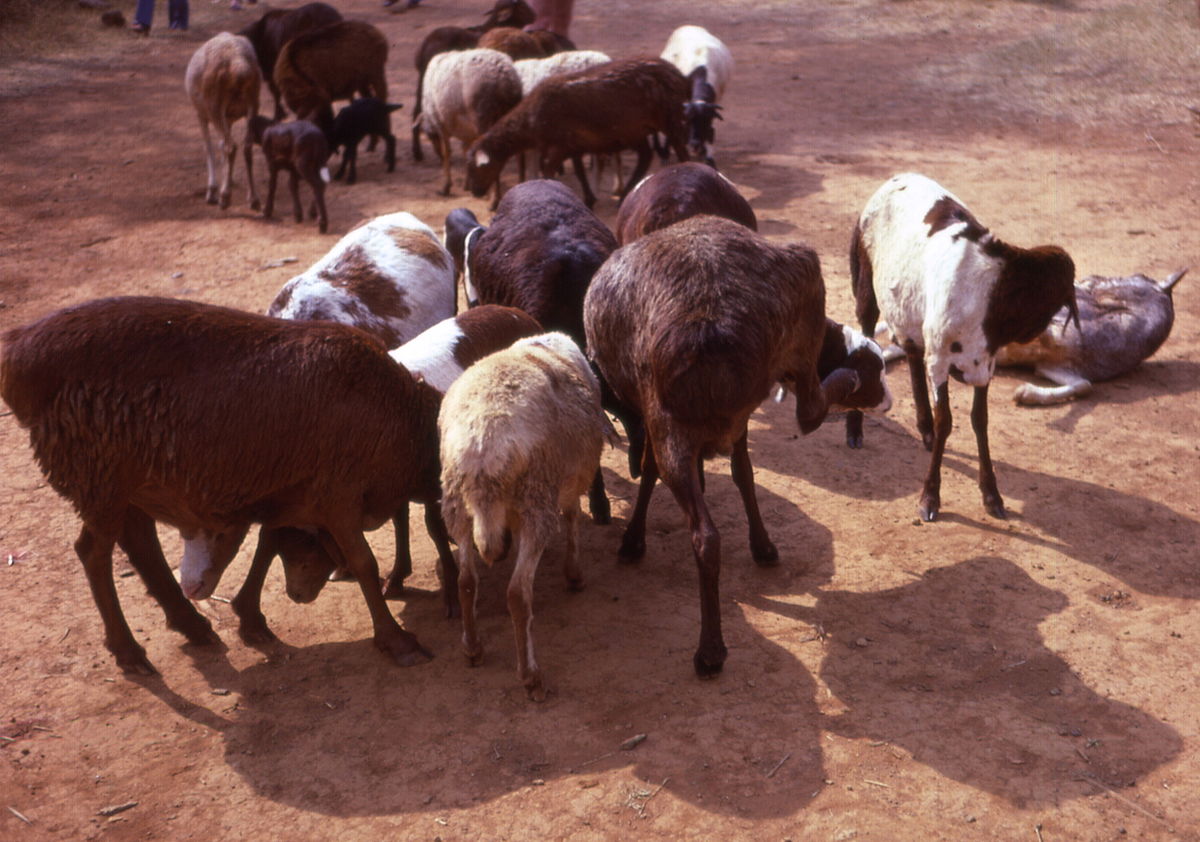
Best Sheep Breeds for Zero-Grazing
Some breeds adapt better to intensive systems. In Kenya, two breeds stand out for zero-grazing:
Dorper Sheep:
This breed grows fast, adapts well to different environments, and offers high meat yields. Dorper sheep respond positively to intensive feeding, making them suitable for zero grazing.
Red Maasai Sheep:
Known for disease resistance and strong immunity, Red Maasai sheep perform exceptionally well in warm climates. They require fewer treatments and remain productive even under intensive management.
Both breeds offer excellent returns and are highly recommended for farmers focusing on meat production.
Health Management in Zero-Grazing Systems
Good health management practices are essential in this system. Sheep should be vaccinated against common diseases and dewormed regularly. Clean water and a hygienic environment help reduce infections. Farmers should watch for early signs of illness, ensure resting areas remain dry, and keep feeding areas clean. Manure should be removed frequently to prevent buildup and reduce odor.
Daily observation allows farmers to detect problems early and maintain a healthy flock throughout the year.
Extra Benefit: Profitable Manure Collection
One major advantage of zero grazing is the ease of collecting manure. Sheep droppings are rich in nutrients and can be used directly on crops or composted for better soil health. Farmers can also sell the manure to others practicing organic farming. This additional income stream reduces waste and boosts overall farm profitability.
Why Zero-Grazing Sheep Farming Is a Smart Future Choice
As land sizes continue to shrink and demand for quality meat rises, zero-grazing sheep farming offers a sustainable and profitable solution. With proper housing, good feeding, and consistent management, farmers can achieve stable production and higher income. This system supports healthier animals, cost savings, and predictable results, making it a smart investment for Kenyan farmers.