
Yellow sticky traps have become a key tool in sustainable agriculture. They offer an affordable, eco-friendly, and non-toxic way to detect and manage pests. Because they help farmers reduce pesticide use while maintaining healthy crops, they are widely used in Integrated Pest Management (IPM) and organic farming systems. This makes them a reliable option for farmers who want safer and more sustainable pest control solutions.
Why Yellow Sticky Traps Matter in Sustainable Farming
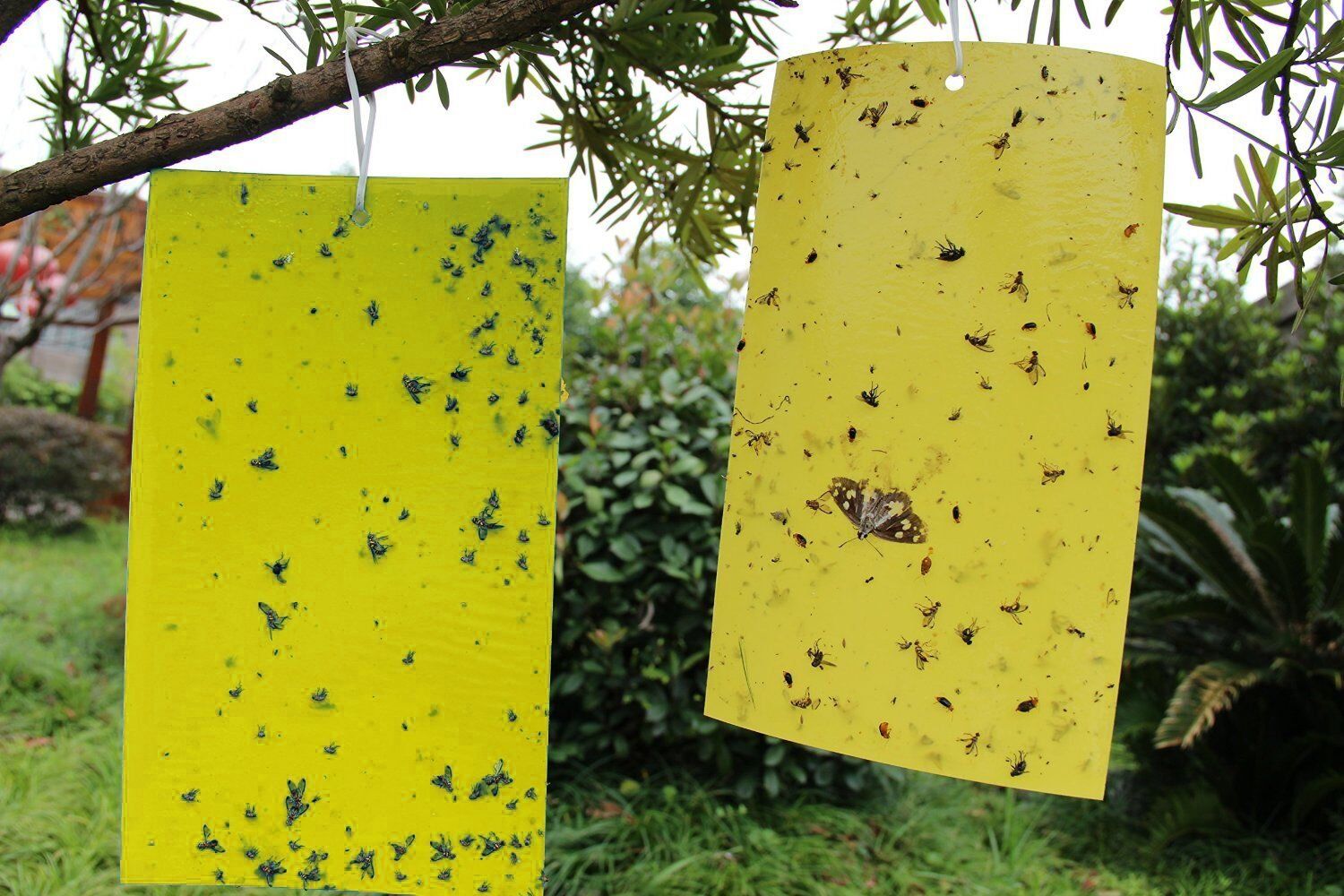
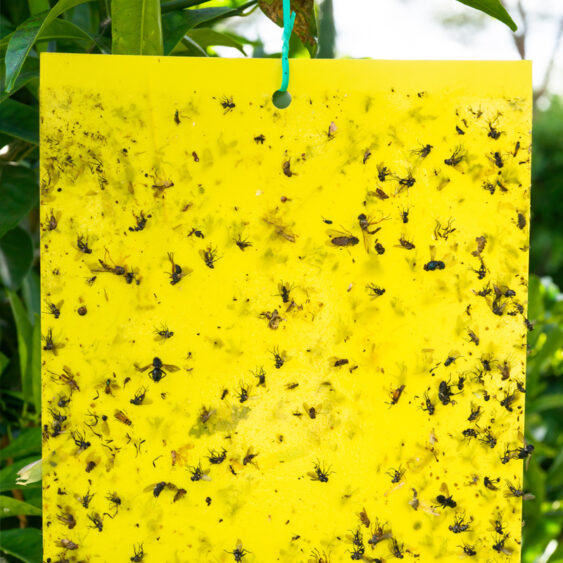
Yellow sticky traps attract flying insects using their bright color and adhesive surface. Many harmful pests—such as whiteflies, leaf miners, aphids, fruit flies, thrips, and fungus gnats—are naturally drawn to yellow. When they land, they get stuck, making it easy for farmers to monitor pest trends without using chemicals.
These traps play several roles that support long-term sustainability, healthier soils, and biodiversity on farms.
1. Environmentally Friendly Pest Monitoring
One of the biggest advantages of yellow sticky traps is their environmental safety. Farmers can track pest activity without spraying broad-spectrum pesticides. This reduces chemical runoff, which protects rivers, streams, and groundwater.
By avoiding excessive chemical use, farmers also protect beneficial insects such as bees, butterflies, and predatory insects. These creatures play an important role in pollination and natural pest control. Because sticky traps target only the insects that land on them, the surrounding ecosystem remains balanced.
As a result, fields remain productive without compromising soil health or biodiversity.
2. Supports Natural Predators and Biological Control
Sustainable farming depends on natural predators like lady beetles, lacewings, parasitic wasps, and predatory mites. These beneficial insects help reduce pest populations naturally. However, their success relies on proper timing.
Yellow sticky traps help farmers understand pest cycles. By tracking pest numbers early in the season, farmers know the best time to introduce beneficial insects or release biological control agents.
When natural predators are used at the right time, they multiply quickly and effectively reduce pest outbreaks. This makes the whole farm ecosystem stronger and reduces the need for synthetic chemicals.
3. Enables Smarter, Data-Driven Decisions
Consistent monitoring is a major part of IPM. Yellow sticky traps give farmers real-time information on pest populations. Each trap acts like a “silent data collector.”
By checking traps regularly, farmers can:
- Identify pests early
- Monitor insect movement
- Detect population spikes
- Plan timely interventions
- Avoid unnecessary pesticide applications
This data-driven approach prevents crop losses while saving money. It also ensures that farmers only act when pest levels exceed economic thresholds. This prevents the misuse of pesticides and protects the environment.
4. A Cost-Effective Pest Control Option
Yellow sticky traps are affordable and accessible to both small-scale and large-scale farmers. They are easy to install, reusable, and long-lasting, which keeps pest management costs low. Their simplicity makes them especially valuable for organic farmers and smallholder farmers who may not have access to expensive pest control tools.
Because traps last for weeks and require minimal maintenance, they offer excellent value. Farmers get reliable pest monitoring without investing in sophisticated equipment or chemical inputs.
5. Work Well with Other Sustainable Farming Practices
Yellow sticky traps fit perfectly into holistic pest management strategies. They complement a variety of sustainable practices, such as:
- Crop rotation
- Mulching
- Intercropping
- Biological control
- Botanical pesticides
- Habitat improvement for pollinators
By integrating sticky traps with these methods, farmers create stronger and healthier ecosystems. This teamwork between methods makes farms more resilient against pest outbreaks.
Sticky traps also help farmers evaluate the effectiveness of other pest control strategies. If pest numbers drop after applying botanical sprays or introducing predators, traps help confirm the success of those methods.
Conclusion: Simple Tools Create Big Impact in Sustainable Agriculture
Sustainable farming relies on simple but effective tools. Yellow sticky traps are one of the most powerful tools farmers can use. They provide accurate pest monitoring, protect the environment, save costs, and support integrated pest management practices.
With their eco-friendly nature and affordability, yellow sticky traps continue to play an essential role in modern sustainable agriculture. By adopting these traps, farmers move closer to creating balanced, healthy, and productive farming systems—naturally.