
Weed management is one of the biggest challenges in modern farming. While many farmers rely on herbicides or costly machinery, a growing number are turning to a natural solution that has existed for centuries- weeder geese. These birds offer an eco-friendly, affordable, and highly efficient method of controlling weeds without damaging crops or the soil. As more farmers look for sustainable practices, weeder geese are becoming a top choice for organic and regenerative farms.
This article explains everything you need to know about using geese as natural weeders, including benefits, best crops, management tips, and the most suitable breeds.
What Are Weeder Geese?
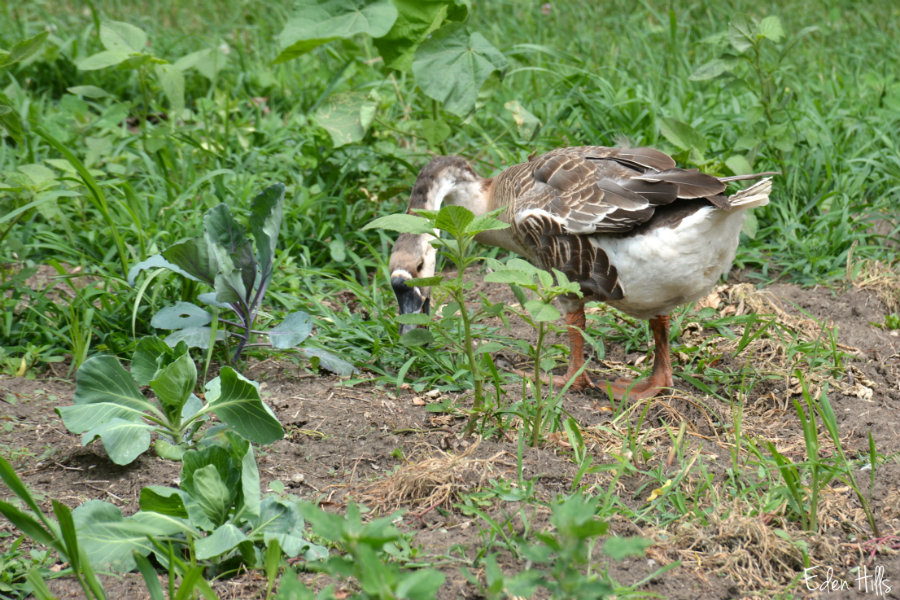
Weeder geese are domesticated geese trained or allowed to graze on unwanted vegetation in farms, orchards, and plantations. They prefer tender grasses and most weeds over broadleaf crops. This natural preference makes them perfect helpers for farmers who want to minimize herbicide use and maintain soil health.
Unlike heavy machinery, geese do not compact the soil. They work steadily throughout the day, regardless of the weather. Their grazing keeps weeds low and reduces competition for nutrients, water, and sunlight.
Weeder geese are ideal for organic farming systems that demand clean, chemical-free food production. Their ability to graze consistently makes them one of the most reliable biological methods for controlling weeds.
Why Farmers Use Weeder Geese
Farmers choose geese for weed control because they offer multiple advantages that go beyond simple weeding. Their natural behavior aligns with environmentally friendly farming methods.
Preference for Grass Over Crops
Geese prefer grasses and soft weeds. Most broadleaf crops are less attractive to them, so they can graze around crops without causing damage when properly managed.
Reduced Herbicide Use
Using weeder geese significantly cuts herbicide costs. This makes crop production safer, more sustainable, and more affordable. Farms can maintain healthier ecosystems while protecting water sources from chemical contamination.
Ability to Work in Wet Conditions
Many machines cannot operate in muddy or waterlogged fields. Geese, however, thrive in such environments. They move easily in wet soils and continue weeding when mechanical tools cannot be used.
Precise Weed Removal Around Delicate Plants
Weeder geese reach tight spaces in plant rows. Their slim bodies and long necks allow them to remove weeds close to young or delicate crops without breaking stems or disturbing roots.
Additional Farm Benefits
Besides weeding, geese provide manure that enriches the soil. Farmers can harvest feathers, eggs, or meat once the season ends. This adds extra value and turns them into multi-purpose farm assets.
Best Crops for Using Weeder Geese
Geese perform best in crops they do not eat. They target weeds aggressively but leave most broadleaf crops untouched. These crops are ideal for natural weeding:
- Corn
- Cotton
- Potatoes
- Strawberries
- Carrots
- Onions
- Garlic
- Nursery trees
- Blueberries
- Cane berries
- Sugar beets
- Mint
- Hops
- Tobacco
- Bananas (in some regions)
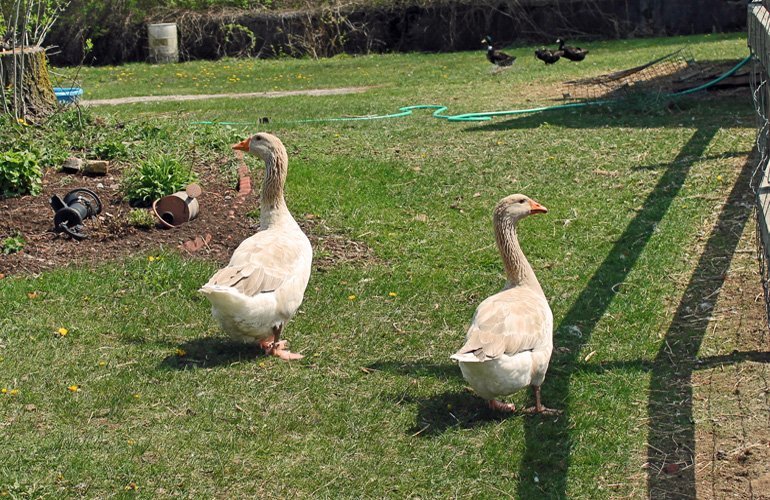
Their vegetarian diet makes them compatible with ducks. While geese manage the weeds, ducks help control pests such as snails and insects. Together, they create a balanced and productive organic system.
How Many Geese Do You Need Per Acre?
The recommended stocking rate is six geese per acre. However, several factors influence the number required:
Weed Pressure
Fields with heavy weed growth in early spring require more geese. As weeds decrease through the season, you can reduce the flock size.
Crop Type
Some crops require fewer geese due to spacing and weed density. Fields with tight rows may need more birds to manage weeds effectively.
Seasonal Management
Geese should be removed once weeds become tough, dry, or low in nutritional value. Dry weeds encourage geese to nibble on crops, increasing the risk of damage.
Good management ensures effective weeding and protects crops from accidental feeding.
Best Breeds of Geese for Weeding
Any goose breed can weed, but certain breeds perform better due to their grazing habits and physical characteristics.
White Chinese Geese
White Chinese geese are the most popular breed for natural weed control. They are:
- Active grazers
- Lightweight and easy to manage
- Long-necked for precise weeding
- Gentle around crops
- Highly efficient in both small and large farms
Using Young Geese (Goslings)
Young geese are more active and efficient at grazing. However, they need to be at least six weeks old before entering the fields. Younger goslings are vulnerable to cold, predators, and poor nutrition.
For maximum success, introduce them slowly to the field, monitor their feeding habits, and provide fresh drinking water.
Management Tips for Successful Weeder Goose Farming
Provide Adequate Water
Geese need continuous access to clean drinking water. Fresh water keeps them healthy and encourages better grazing.
Offer Shade and Shelter
Although geese are hardy, they still require shade during very hot seasons and shelter during storms.
Protect Them From Predators
Secure fencing and night shelters keep geese safe from predators such as dogs, foxes, or birds of prey.
Rotate Grazing Areas
Rotating fields ensures even weed control and prevents overgrazing in one section.
Monitor Crop Growth
Once crops mature or weeds become dry, remove geese to avoid accidental feeding.
Good management ensures productive weeding and thriving crops throughout the season.
Why Weeder Geese Are the Future of Sustainable Farming
With rising chemical prices and increased demand for organic food, weeder geese offer a natural, efficient, and environmentally friendly solution. They reduce labor costs, improve soil health, and support long-term sustainability.