
Tomato blight is a destructive disease that spreads rapidly and threatens tomato crops in warm, wet conditions. Gardeners often lose entire plants within days. Understanding the disease and taking action early can save your harvest and protect your garden for future seasons.
What Is Tomato Blight?
Tomato blight, also known as late blight, is caused by a fungus-like organism called an Oomycete. It thrives in damp, humid weather. The disease attacks tomatoes, potatoes, and even ornamental plants in the same family. Once it takes hold, it spreads fast and causes plants to collapse and rot. Blight spores move through wind, water, or contaminated tools.
Key Symptoms of Tomato Blight
Spotting the problem early helps prevent major losses. Watch for several clear warning signs that blight is present.
1. Leaf Damage
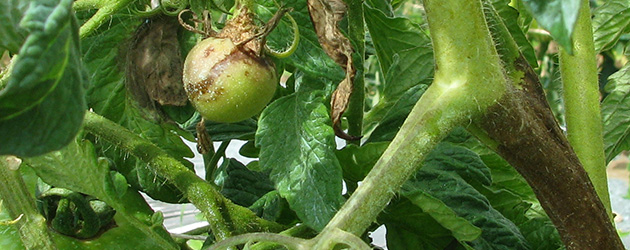
The earliest symptom is a soft, watery rot on leaves. The patches grow fast and soon turn brown. In humid air, a thin white growth forms under the leaf surface. Leaves shrivel and collapse as the disease spreads.
2. Stem Lesions
Stems and leaf stalks develop brown spots or streaks. These areas may show white growth in warm, moist weather. Severe infections cause wilting or complete plant death.
3. Fruit Rot
Green tomatoes show brown, water-soaked patches. These areas expand quickly and lead to rapid decay. Once rot starts, the fruit becomes unsafe to eat.
4. Greenhouse Note
Tomato blight can be confused with leaf mold. Mold appears greyish-brown and does not damage stems or fruit. Blight causes white growth and attacks the whole plant.
Natural Ways to Control Tomato Blight
Managing tomato blight takes careful garden practices and quick action. Several natural methods help reduce the spread and protect your plants.
1. Dispose of Infected Plants Properly
Never compost infected tomatoes. Compost piles do not kill blight spores. Bury infected plants deeply, burn them, or send them to your local green waste collection.
2. Clean Tools and Surfaces
Disinfect everything that touched the infected plants. Clean greenhouse glass, tools, and plant supports with a disinfecting solution. This step prevents the disease from returning.
3. Monitor Weather and Blight Alerts
Warm, wet weather increases the risk of blight. Check local alerts and stay aware of regional outbreaks. This helps you prepare and react quickly.
4. Reduce Moisture on Leaves
Moisture encourages blight growth. Keep greenhouse foliage dry. Improve air circulation by pruning a few leaves. Good spacing also helps reduce humidity around each plant.
5. Use or Process Infected Fruit Quickly
Harvest fruit as soon as you notice the infection. Use the tomatoes for cooking, sauces, or chutneys before the rot spreads. Avoid storing or ripening them indoors because many may already carry the disease.
6. Avoid Reusing Infected Soil
Do not plant tomatoes in the same soil next season. Rotate crops for at least four years. Avoid planting potatoes in that area because they carry the same disease. Rotation helps break the infection cycle.
Stay Ahead of Tomato Blight
Preventing blight is easier than treating it. Start with clean gardening habits, good spacing, and frequent inspections. Early action keeps the disease under control and protects future harvests. With consistent care, you can enjoy healthy tomato crops all season long.