
Sweet potatoes are among Africa’s most loved crops. They are versatile, nutritious, and profitable when cultivated correctly. Whether you’re a smallholder farmer or managing a large field, these expert tips will help you grow sweet potatoes that thrive and yield abundantly.
1. Choose the Right Sweet Potato Variety
The foundation of a good harvest starts with variety selection. Opt for orange-fleshed sweet potatoes because they are rich in Vitamin A and highly nutritious. Go for fast-maturing and weevil-resistant varieties suited to your region’s rainfall or irrigation schedule. Always plant disease-free vines that are 2–3 months old with vibrant, healthy leaves. Starting right ensures strong roots and fewer losses.
2. Practice Smart Intercropping
Intercropping helps improve soil health and boosts productivity. Avoid planting sweet potatoes alongside other tuber crops such as cassava or yams. These crops compete for nutrients, reducing yields. Instead, intercrop with beans or legumes. They fix nitrogen in the soil, enhancing fertility and benefiting your sweet potatoes naturally. This combination saves land, water, and labor while maintaining soil balance.
3. Apply Proper Spacing and Ridging Techniques
Good spacing and ridging are key for tuber development. Maintain 12–18 inches between plants and 3–4 feet between rows. Prepare mounds or ridges to allow proper aeration and drainage. These ridges also make harvesting easier and reduce waterlogging. Use mulch such as grass or dry leaves to conserve soil moisture and suppress weeds. Proper spacing prevents overcrowding and ensures every plant gets enough nutrients and sunlight.
4. Enrich Your Soil with Organic Matter
Healthy soil equals healthy crops. Before planting, mix well-decomposed manure, compost, or organic fertilizer into the soil. This adds essential nutrients such as nitrogen, phosphorus, and potassium. Avoid synthetic chemicals that may harm soil microbes. Organic matter improves soil structure, retains moisture, and promotes healthy root growth. Remember, fertile soil is the secret to sweet, high-quality tubers.
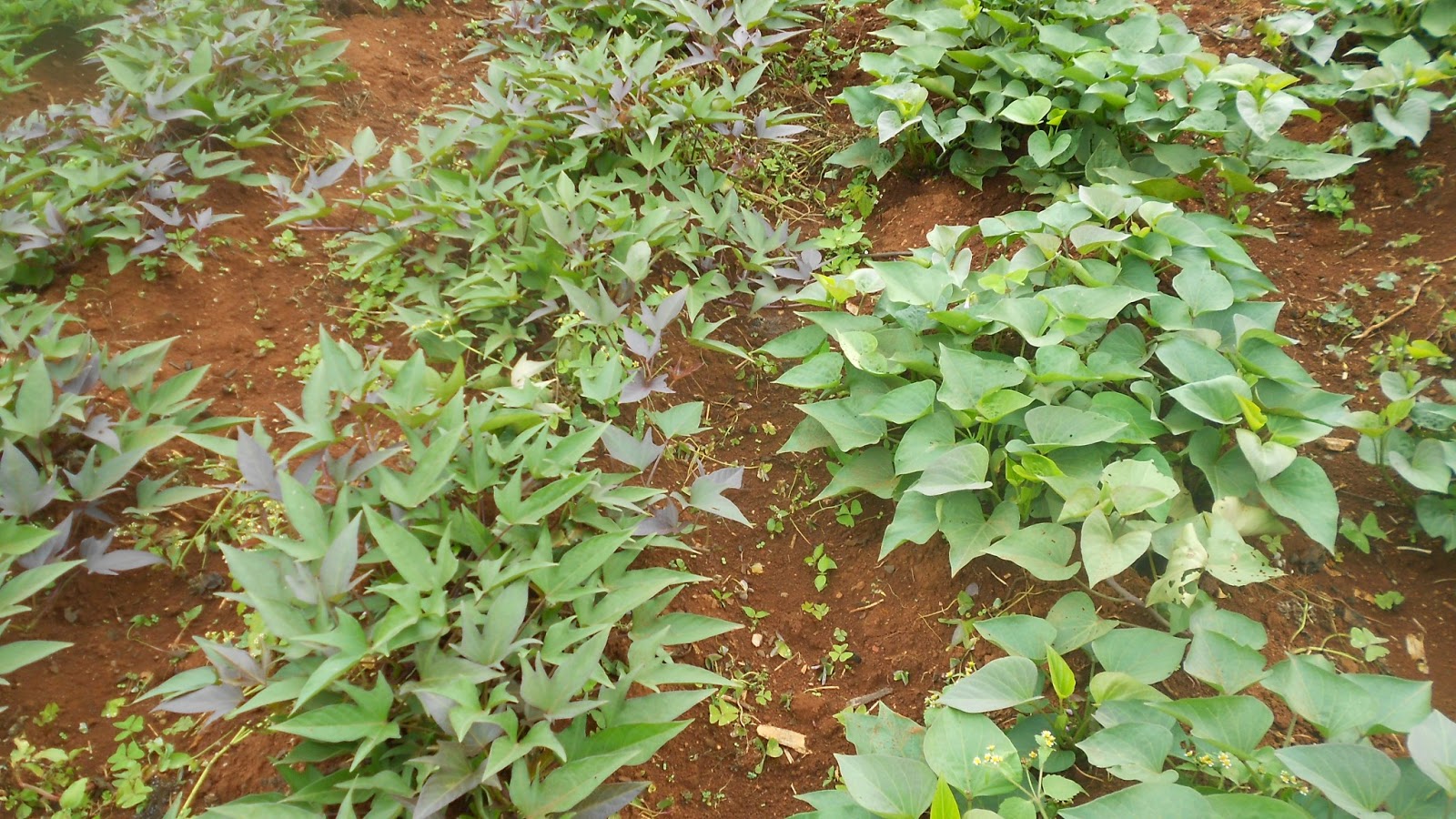
5. Protect Your Crop from Pests and Diseases
Pests can silently destroy your harvest underground. Watch out for sweet potato weevils, beetles, wireworms, mice, and moles. Regular field inspections are essential. Remove infected plants immediately and practice crop rotation to break pest cycles. Use natural repellents such as neem or ash to deter insects. Keeping your field clean and free from weeds reduces pest hiding spots and promotes healthy growth.
6. Cure and Store Sweet Potatoes Properly
After harvesting, handle your sweet potatoes carefully to avoid bruising. Let them dry in the sun for about three hours. Then, cure them in a warm, well-ventilated room for two weeks. This curing process heals minor cuts, improves sweetness, and extends shelf life. Store cured sweet potatoes in a cool, dry place to prevent rot and maintain quality. Proper post-harvest care ensures your produce stays market-ready longer.
Bonus Tip: Make Use of Every Part of the Plant
Nothing goes to waste in sweet potato farming! The leaves make a nutritious vegetable, rich in vitamins and minerals. Meanwhile, the vines are excellent animal feed for goats, cattle, and rabbits. This makes sweet potatoes a sustainable crop for both food and livestock production.
Conclusion
Sweet potato farming in Africa can be a profitable venture with the right practices. By choosing improved varieties, using organic fertilizers, spacing correctly, and managing pests naturally, you can achieve consistent, high-quality yields. With a little care and knowledge, your farm can supply nutritious, market-ready sweet potatoes year after year.