
Rice farming continues to gain popularity in Kenya as demand for the grain increases annually. As the country’s third most important staple after maize and wheat, rice supports both food security and household incomes. Although most production comes from major irrigation schemes such as Mwea, Ahero, and Bunyala, expansion opportunities still exist. With the right varieties, ideal field conditions, and proper water management, farmers can achieve impressive yields and stable profits.
In this guide, you’ll learn everything you need to grow rice successfully in Kenya, from choosing the right varieties to understanding climate and soil requirements.
Why Rice Farming Matters in Kenya
Rice consumption in Kenya continues to increase, driven by urbanization, changing dietary habits, and population growth. Despite this high demand, the country still imports a large portion of the rice consumed locally. This gap offers farmers a strong market advantage. Rice farming remains profitable because consumers love its versatility and nutritional benefits. When farmers apply good agricultural practices, they can secure consistent yields and steady incomes.
Because irrigation continues to expand, more farmers across Kenya are venturing into rice production. Even in areas without established schemes, upland rice varieties offer a reliable option.
Top Rice Varieties Kenyan Farmers Should Grow
Choosing the right rice variety is essential for achieving good yields and meeting market expectations. Kenyan farmers grow several varieties suited for different climates and production systems.
Pishori/Basmati Rice
Pishori, also known as Basmati 370, remains Kenya’s premium aromatic variety. It commands high market prices because of its fragrance and long, slender grains. Farmers growing Pishori often enjoy higher returns, especially in irrigation schemes. However, it requires careful management to achieve top-quality grains.
Nerica Varieties
Nerica (New Rice for Africa) varieties remain popular due to their drought tolerance and ability to perform well in upland systems. These varieties mature faster, resist common pests, and thrive in areas with unreliable rainfall. Many smallholder farmers prefer Nerica because it reduces dependence on irrigation.
IR 2793, Komboka, and Sindano
These improved varieties offer high yields, good grain quality, and strong adaptability. Komboka, in particular, continues to gain attention for its impressive performance under both irrigation and rain-fed systems. Sindano remains a reliable, widely accepted option with strong market demand.
When selecting a variety, consider your soil type, water availability, elevation, and market preference. Your agro-dealer or local extension officer can provide more guidance based on your location.
Best Climate Conditions for Rice Farming in Kenya
Rice thrives in warm, humid regions. For best results, aim for areas with:
- Temperatures between 20°C and 35°C
- Annual rainfall between 1,000 mm and 3,000 mm
- Humidity levels of 70% to 90%
- Adequate sunshine throughout the growing season
These conditions support strong tillering, grain development, and healthy plant growth. Although rice grows well up to 1,500 metres above sea level, high-altitude areas must receive enough warmth and light to sustain the crop. This is why rice does best in lowland tropical regions where irrigation supports moisture requirements.
Ideal Soil Types for Rice Farming
Soil plays a major role in rice development because the crop needs consistent moisture. Deep, fertile soils that hold water well offer the best performance.
Clay Loam Soils
Clay loam remains the most suitable soil for rice because it retains moisture for long periods. These soils reduce water loss through drainage and help maintain soil structure even under flooded conditions.
Water-Holding Capacity
For strong yields, choose soils with:
- Good organic matter
- High water retention
- Minimal seepage
- Adequate nutrient availability
If soils are sandy or drain quickly, farmers may need to improve them with organic matter, bunding, or proper leveling to retain more water.
Land Preparation and Water Management
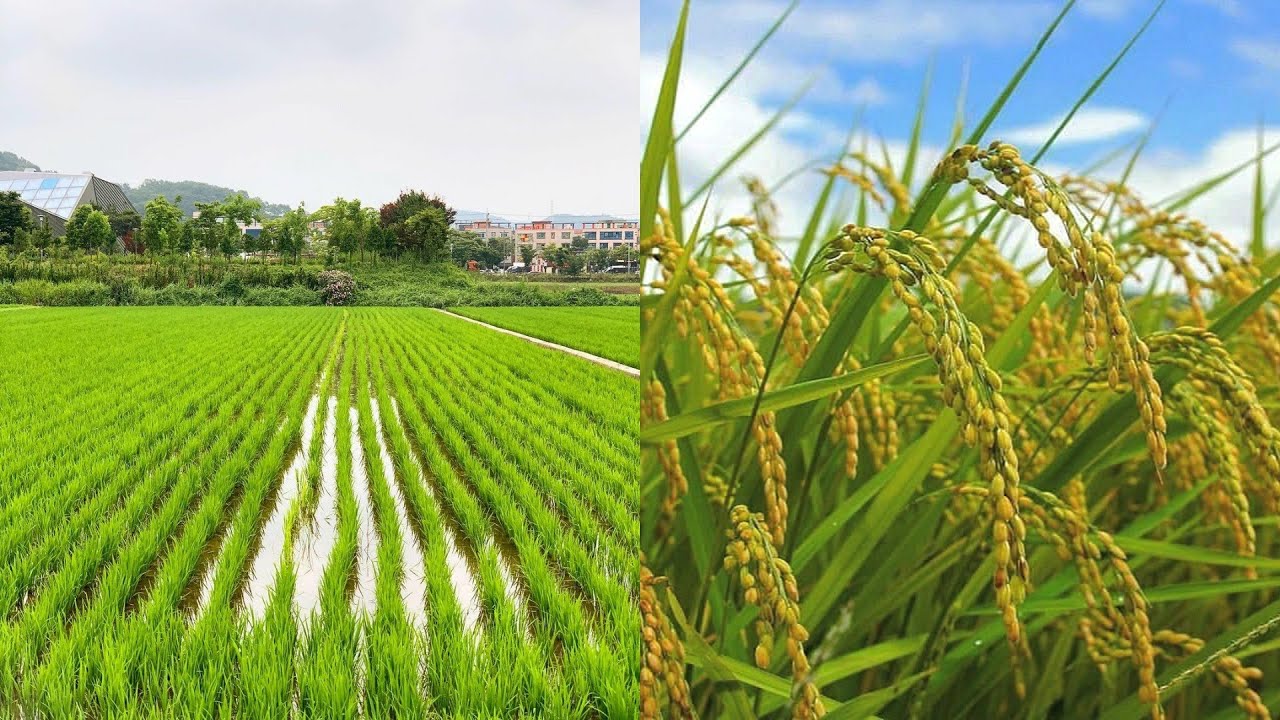
Proper land preparation helps control weeds, improve soil structure, and enhance water distribution. Farmers should level their fields to ensure even water coverage. This prevents dry patches that stress plants and reduce yields.
Water management remains the backbone of successful rice farming. Whether growing lowland or upland rice, maintaining adequate moisture at all growth stages boosts performance. Flooded fields should maintain a shallow water layer, while upland varieties need consistent rainfall or supplemental irrigation.
Why Good Agronomic Practices Matter
High-quality rice production depends on good field hygiene, timely planting, and proper fertilization. Farmers who adopt best practices reduce losses from pests, diseases, and competition from weeds. Regular scouting helps detect problems early. Balanced fertilization ensures strong tillering, healthy grains, and improved yields.
Harvesting at the right time maintains grain quality and prevents shattering. Proper drying and storage protect rice from moisture damage and insects, keeping market prices high.
Conclusion: Rice Farming Offers Endless Opportunities
Rice farming in Kenya provides a reliable path to income and food security. As demand continues to rise, farmers who invest in the right varieties, soil management, and climate-appropriate farming practices will enjoy long-term success. With supportive irrigation systems and improved varieties, Kenya’s rice sector holds great potential for expansion.
Whether you are a small-scale farmer or planning to grow commercially, rice farming offers strong prospects when managed well.