
Caterpillars may look harmless at first, but they can quickly devastate a healthy garden. Their constant feeding weakens plants, reduces yields, and slows growth. Because infestations spread fast, early action is essential. Fortunately, natural solutions can control caterpillars effectively while keeping your garden safe and eco-friendly.
1. Signs Caterpillars Are Damaging Your Garden
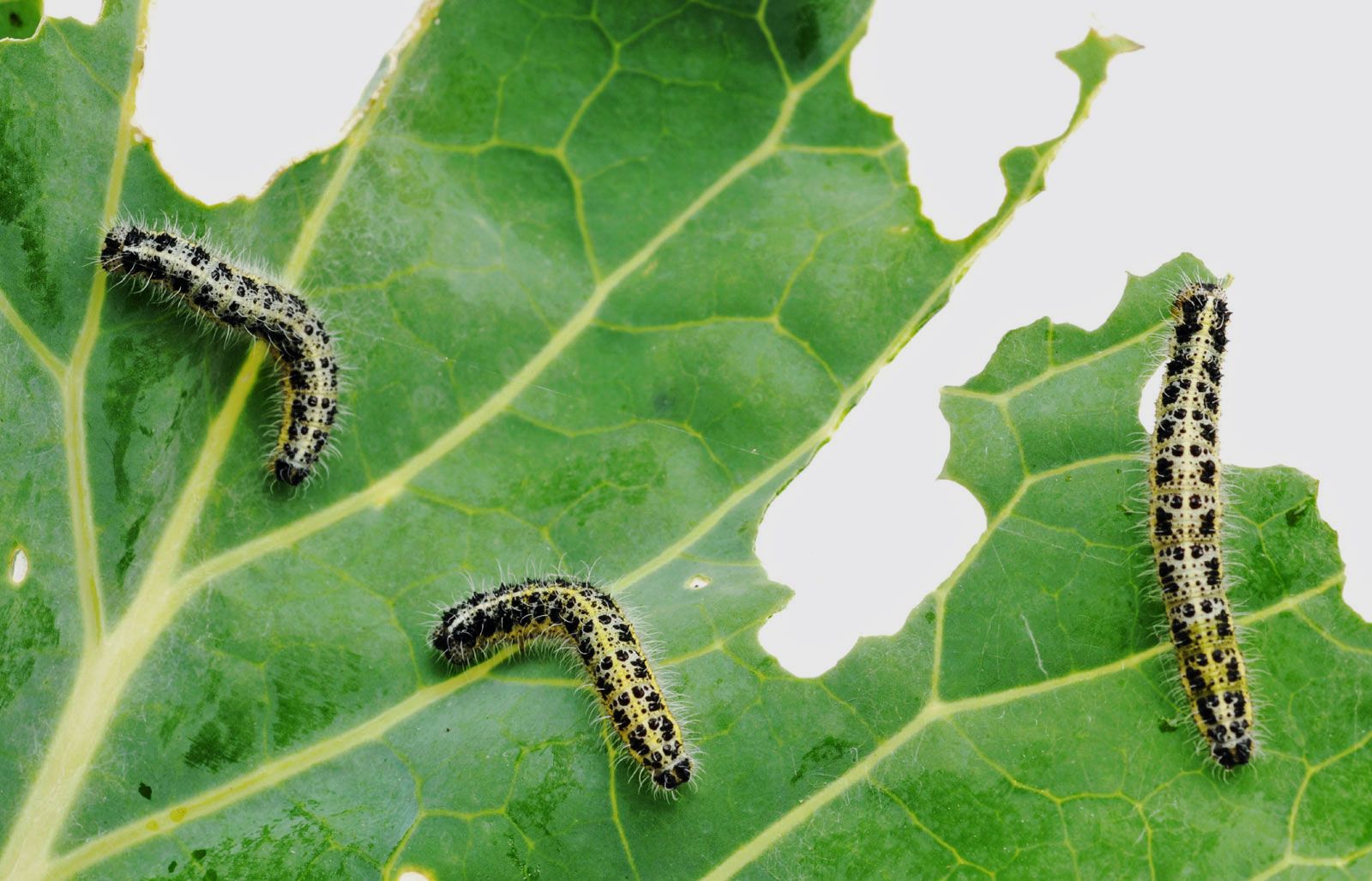
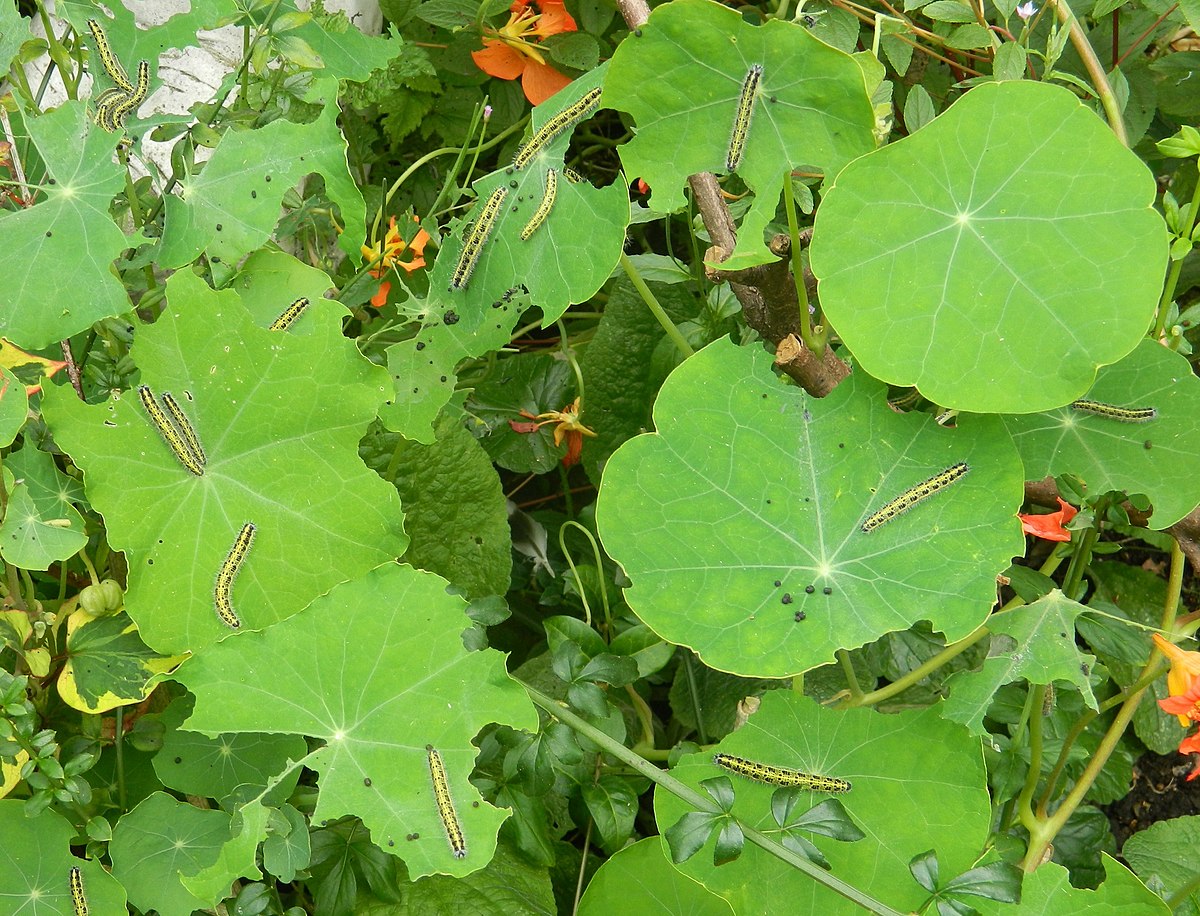
Caterpillar damage often appears suddenly and worsens rapidly. Recognizing the signs early helps prevent severe plant loss.
- Chewed or irregular holes on leaves
- Skeletonized foliage with only veins remaining
- Dark droppings on leaves or soil
- Stunted growth in young plants
- Weakened or stressed vegetables and ornamentals
When these symptoms appear, immediate control becomes necessary.
2. Why Natural Caterpillar Control Is the Best Choice
Natural pest control methods protect the entire garden ecosystem. Unlike chemical pesticides, organic solutions do not harm pollinators, pets, or beneficial insects. In addition, they improve soil health and plant resilience. Over time, gardens managed naturally experience fewer pest outbreaks and stronger plant growth.
3. Handpicking Caterpillars for Quick Results
Handpicking is one of the most effective methods for small infestations. It provides instant control and requires no chemicals.
How to do it:
- Wear gloves during inspection
- Gently remove caterpillars from leaves and stems
- Drop them into a container of soapy water
Daily monitoring ensures this method remains highly effective.
4. Neem Oil Spray for Organic Protection
Neem oil disrupts caterpillar feeding and prevents larvae from maturing into adults. It works well on vegetables, herbs, and ornamental plants.
Application tips:
- Mix 2 tablespoons of neem oil with 1 gallon of water
- Spray both the upper and lower leaf surfaces
- Apply every 5–7 days for best results
Spraying during cooler hours reduces the risk of leaf burn.
5. Bacillus thuringiensis (Bt) for Targeted Control
Bacillus thuringiensis, commonly known as Bt, is a natural bacterium that targets only caterpillars. Once larvae consume treated leaves, they stop feeding and die within a few days.
Benefits of Bt:
- Safe for vegetables and edible crops
- Harmless to beneficial insects and pollinators
- Highly effective during early larval stages
Proper timing ensures maximum success.
6. Encourage Natural Predators in Your Garden
Nature provides powerful allies against caterpillars. Birds, spiders, and parasitic wasps help keep populations under control.
Ways to attract predators:
- Plant flowering shrubs and native plants
- Install birdhouses or water sources
- Avoid chemical sprays that harm beneficial species
A balanced garden naturally limits pest outbreaks.
7. DIY Soap Spray for Young Caterpillars
Soap sprays work best on young caterpillars and soft-bodied larvae. This method offers a quick, affordable solution.
How to prepare:
- Mix 1 tablespoon of mild dish soap with 1 quart of water
- Spray lightly on affected leaves
- Apply during early morning or evening
Testing the spray on one leaf first prevents plant damage.
8. Preventing Future Caterpillar Infestations
Prevention plays a key role in long-term garden health. Regular maintenance reduces the chances of repeat infestations.
- Rotate crops each growing season
- Remove plant debris after harvest
- Inspect new plants before planting
- Improve soil health with compost
Healthy plants naturally resist pests more effectively.
Keeping Your Garden Healthy and Caterpillar-Free
Managing caterpillars naturally creates a healthier, more resilient garden. By combining several eco-friendly methods, you achieve better and longer-lasting results. With consistent care and observation, your garden remains productive, balanced, and free from harmful chemicals.