
Keeping your garden thriving doesn’t have to be complicated. One of the easiest and most effective gardening techniques is mulching. Whether you’re a home gardener or a professional grower, understanding how and why to mulch can transform your garden’s health and appearance.
What Is Mulching?
Mulching is the process of covering the soil surface around your plants with materials such as straw, compost, dry leaves, wood chips, or organic fabric. This simple layer creates a natural shield that conserves moisture, suppresses weeds, and improves soil health.
When done right, mulching builds a balanced ecosystem under your plants, helping them grow stronger and healthier throughout the year.
Why Mulching Matters for Every Gardener
Mulching isn’t just about looks; it’s a powerful tool for soil care and plant protection. Here are the top reasons why you should start mulching today.
1. Retains Soil Moisture
Mulch acts as a barrier that slows down water evaporation. This helps the soil stay moist for longer periods, reducing how often you need to water. Especially during dry seasons, this can save both water and effort.
2. Naturally Controls Weeds
Weeds compete with your plants for nutrients and sunlight. A good mulch layer blocks sunlight from reaching weed seeds, preventing them from sprouting. This means fewer weeds and less back-breaking work for you.
3. Enriches and Improves Soil
Organic mulches such as compost, dry leaves, or grass clippings decompose gradually, adding essential nutrients back into the soil. This process improves soil texture, boosts fertility, and encourages healthy root growth.
4. Regulates Soil Temperature
Mulch serves as a natural insulator. During hot days, it keeps roots cool; during cold months, it helps maintain warmth. This balance protects your plants from temperature stress and promotes consistent growth.
5. Enhances Garden Appearance
Beyond function, mulch adds a clean and finished look to your garden. You can even choose mulch colors or textures that complement your landscape design, giving your garden a professional and polished appearance.
Essential Mulching Tips for Success
To get the best results from your mulching routine, follow these simple steps:
1. Prepare the Soil Properly
Before applying mulch, clear the soil of weeds, debris, and stones. Smooth out the surface to create an even base.
2. Choose the Right Mulch
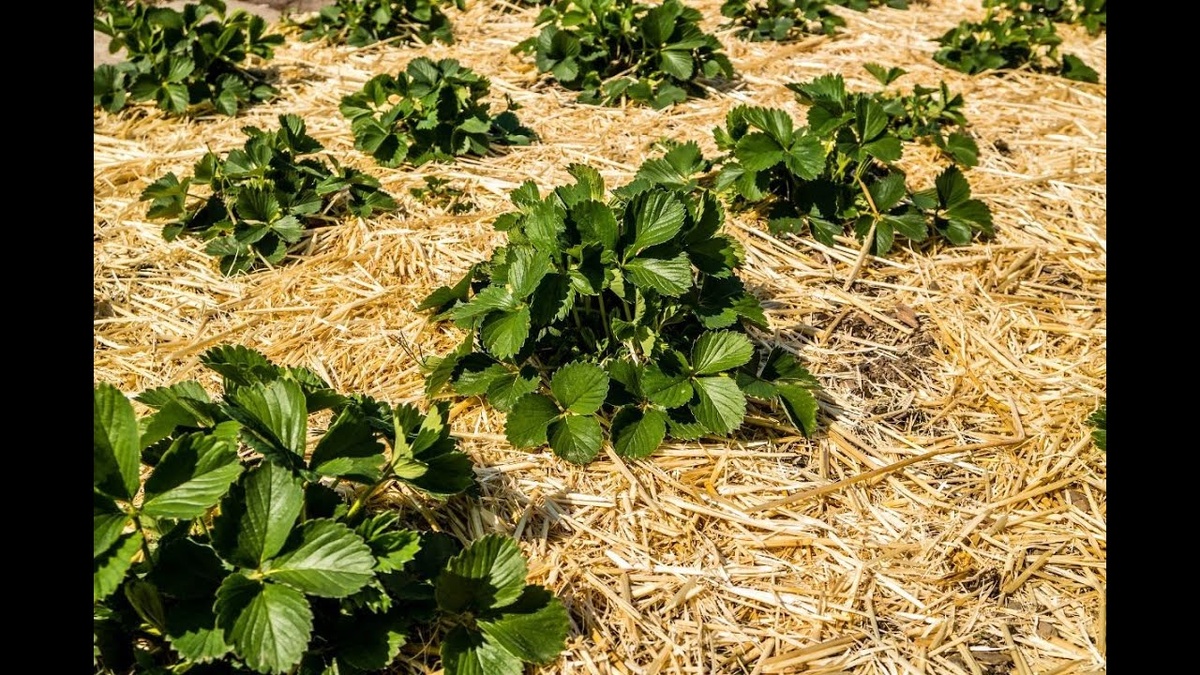
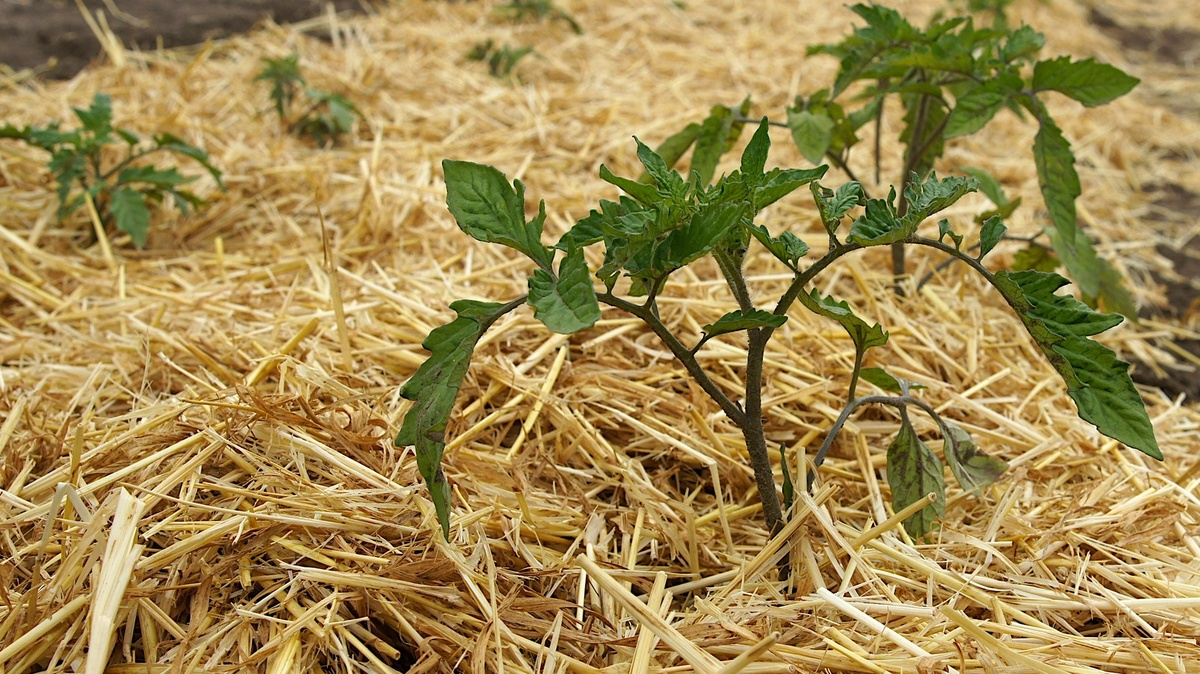
Select a mulch type suitable for your plant variety and climate. For example, straw works well for vegetable gardens, while bark or wood chips are great for trees and shrubs.
3. Apply the Correct Thickness
Spread your mulch evenly about 2–4 inches thick. Too much mulch can trap excess moisture, leading to root rot, while too little won’t provide enough protection.
4. Leave Space Around Stems
Keep mulch at least two inches away from plant stems. Piling mulch directly against stems can cause rotting and attract pests.
5. Maintain and Refresh Regularly
Mulch breaks down over time due to rain, wind, and microbial activity. Refill thin areas as needed to keep your soil protected year-round.
Go Green with Eco-Friendly Mulching
Want to make your garden more sustainable? Choose eco-friendly mulch options made from local or recycled materials, such as straw, compost, or chipped branches. These choices reduce waste and support healthier soil ecosystems while being kind to the planet.
Final Thoughts
Mulching is one of the most effective, low-cost, and environmentally friendly ways to maintain a healthy garden. From moisture retention to weed control, this simple habit gives your plants the foundation they need to thrive. Start mulching today, and you’ll quickly see the difference it makes in your garden’s health, beauty, and productivity.