
Carrots are one of the easiest and most rewarding vegetables to grow at home. They thrive in cool weather, grow well in spring and fall, and tolerate light frost. With the right soil preparation and consistent care, carrots produce sweet, crunchy roots that are perfect for fresh eating and cooking. Depending on the variety and climate, carrots mature within two to four months, making them suitable for both beginner and experienced gardeners.
This complete guide explains how to grow carrots successfully, from soil preparation to harvest.
Why Carrots Are Easy to Grow
Carrots grow best in loose, sandy, and well-drained soil. Because they develop underground, soil quality directly affects their shape and size. Cool temperatures encourage steady growth and improve sweetness. With minimal maintenance and proper spacing, carrots produce reliable yields throughout the season.
They are also versatile. Carrots grow well in garden beds, raised beds, and even deep containers. This makes them suitable for small gardens and urban spaces.
The Importance of Good Soil for Carrots
Healthy soil is the foundation of a successful carrot harvest. Carrot roots need space to grow downward without resistance. Compacted or rocky soil causes roots to twist, fork, or remain small.
Before planting, till the soil at least 12 inches deep. Remove stones, sticks, and hard clumps that block root growth. Avoid fresh manure or nitrogen-rich fertilizers. Excess nitrogen promotes leafy growth but causes misshapen roots.
Instead, amend the soil with well-aged compost or old coffee grounds. Coffee grounds provide a mild nutrient boost and improve soil texture without overwhelming the roots. If your soil is heavy clay or rocky, raised beds filled with loose loam offer excellent results.
Even imperfect carrots remain delicious, so focus on soil health rather than appearance.
Choosing the Right Planting Site
Carrots grow best in full sun, receiving at least six hours of direct sunlight daily. However, they tolerate partial shade, especially in warmer climates.
The planting site should drain well and remain loose throughout the growing season. Poor drainage causes rot and uneven growth. Avoid areas where water pools after rain. Well-aerated soil allows roots to expand freely and evenly.
How to Plant Carrots Correctly
Carrots do not transplant well, so it is best to sow seeds directly in the garden. Root disturbance leads to poor development and irregular shapes.
Plant carrot seeds about one-quarter inch deep. Space seeds two to three inches apart in rows spaced one foot apart. Because carrot seeds are small, sow lightly and thin later.
Keep the soil evenly moist during germination. Dry soil forms a crust that prevents sprouts from emerging. Covering seeds lightly with fine compost or vermiculite helps retain moisture and improve germination.
Be patient. Carrot seeds take two to three weeks to germinate, especially in cool conditions.
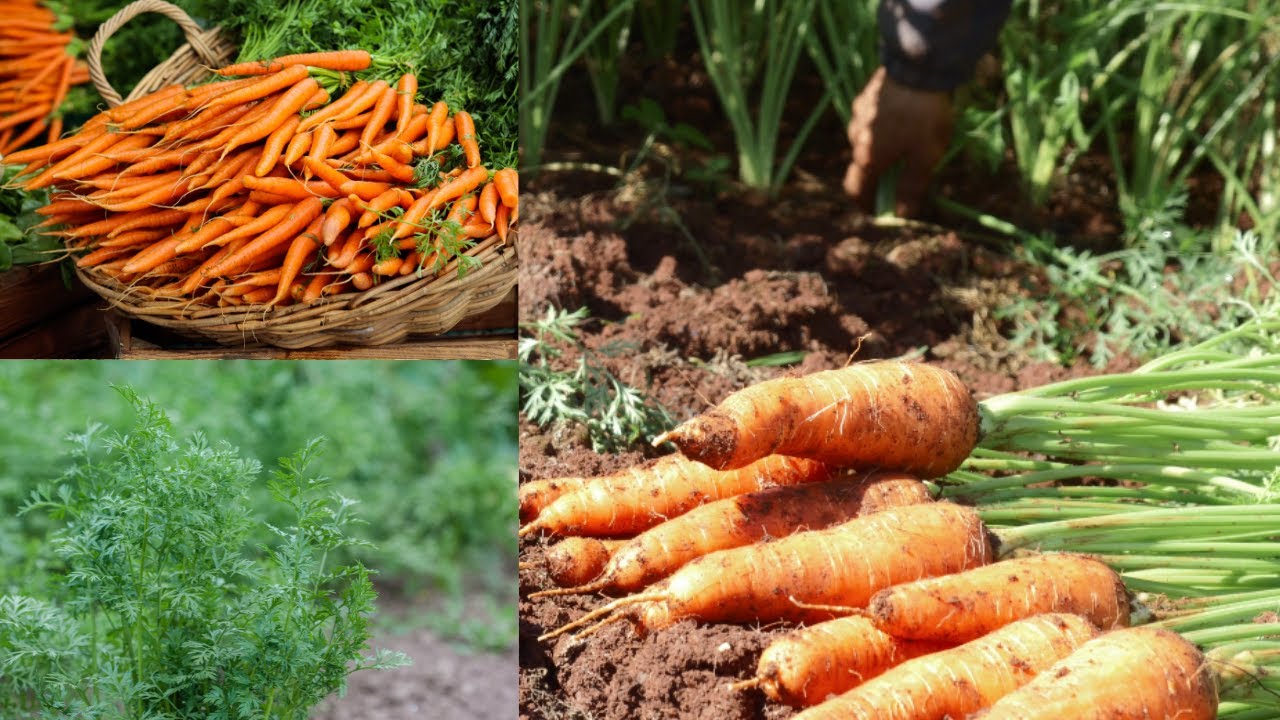
How to Grow and Care for Carrots
Once seedlings emerge, consistent care ensures strong root development. Apply a light mulch to retain moisture and protect young roots. Straw, shredded leaves, or fine grass clippings work well.
When seedlings reach one inch tall, thin them carefully to three or four inches apart. Use scissors to cut excess seedlings at the soil level. Pulling them disturbs nearby roots and affects growth.
Water carrots consistently throughout the season. Aim for one to two inches of water per week. Increase watering slightly as roots mature to prevent splitting and bitterness.
Five to six weeks after planting, apply a low-nitrogen fertilizer. This supports root growth rather than excessive leafy tops. Balanced or root-focused fertilizers work best.
Weed carefully and regularly. Weeds compete for nutrients and moisture, reducing carrot size and quality.
Common Carrot Pests and Diseases
Carrots face several pests and diseases that reduce yields if left unmanaged. Common threats include carrot rust flies, flea beetles, root-knot nematodes, and aster yellows disease.
Prevent problems by keeping garden beds weed-free and rotating crops each season. Floating row covers protect young plants from flying pests. Healthy soil and proper spacing improve airflow and reduce disease pressure.
Early monitoring allows quick action before infestations spread.
How and When to Harvest Carrots
Carrots are ready to harvest when roots reach at least half an inch in diameter. Smaller carrots often taste sweeter and more tender, making early harvesting beneficial.
In warm seasons, harvest before extreme heat causes bitterness. In cooler climates, carrots develop more sugar after a light frost. Mulching with shredded leaves extends harvest into late fall.
Loosen the soil gently before pulling carrots to avoid breakage. Use a garden fork if needed.
Carrots are biennial plants. If left in the ground for a full year, they flower and produce seeds in their second season.
Conclusion: Enjoy Sweet, Homegrown Carrots with Simple Steps
Growing carrots is simple when soil preparation, spacing, and watering are done correctly. With loose soil, consistent moisture, and patience during germination, carrots reward gardeners with sweet, crisp roots.
Whether grown in raised beds or garden rows, carrots remain one of the most satisfying vegetables to grow. With these techniques, you can enjoy a healthy harvest season after season.