
Feeding goats the right diet ensures they stay strong, active, and highly productive. A well-balanced feeding program improves growth, boosts milk yield, and enhances overall health. Understanding what goats should and shouldn’t eat helps you manage your herd more effectively.
Fresh Water: The Foundation of Good Nutrition
Goats require constant access to clean, fresh water. Their water intake changes with temperature, activity level, and lactation status. Checking water troughs often prevents dehydration and supports proper digestion. Goats perform best when water is always available.
Pasture and Grazing: Natural Feed for Healthy Goats
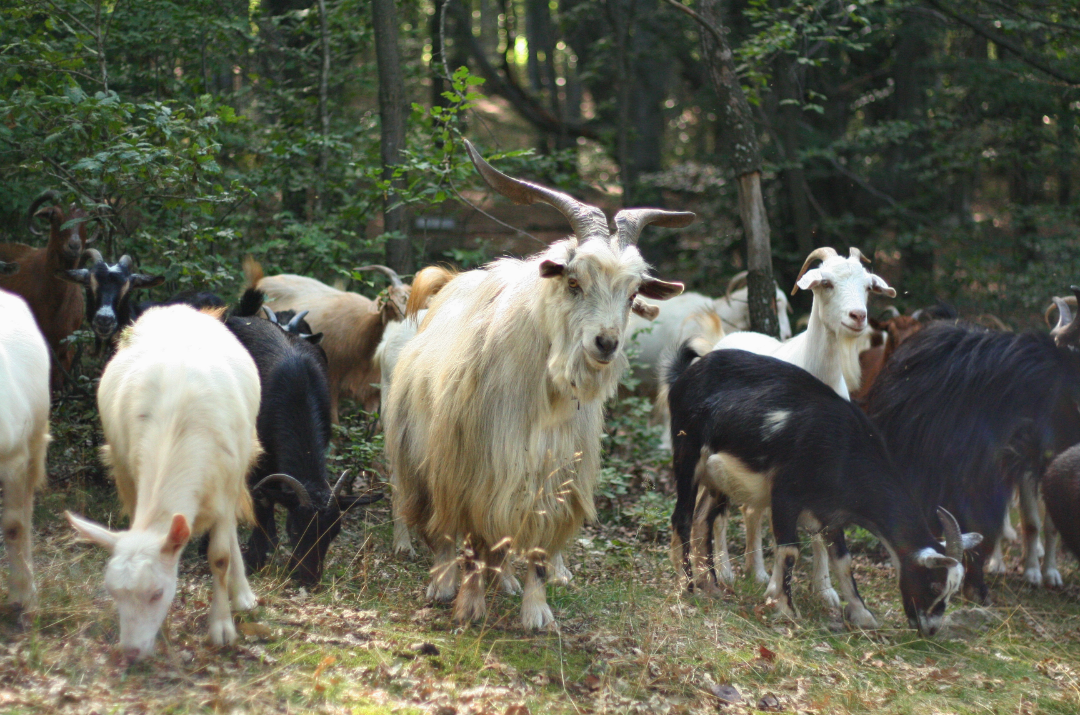
Quality pasture provides essential nutrients. Goats thrive on grasses like clover, millet, sorghum, and Sudan grass. Free grazing offers protein, energy, and the opportunity to forage on shrubs, young trees, and weeds. Rotating grazing areas reduces overgrazing and helps control internal parasites naturally. A well-managed pasture supports strong immunity and consistent growth.
Hay for Rainy and Cold Seasons
Hay becomes crucial when goats are unable to graze. High-quality, mold-free hay such as alfalfa, clover, or lespedeza supplies necessary fiber and protein. Chaffhaye adds extra nutrients and improves digestion. Corn stalk bales can be used as roughage, but they must be supplemented with more nutritious feeds. Good hay keeps goats warm and maintains body condition during harsh weather.
Balanced Feed, Vitamins, and Essential Minerals
Certified organic goat feed provides a complete nutrient package. Goats need vitamins A, D, and E for healthy growth, reproduction, and milk production. Minerals such as calcium, phosphorus, and salt support strong bones and prevent deficiencies. Offering a free-choice mineral block ensures goats receive what their diet may lack.
Safe Fruits and Vegetables Goats Can Eat
Goats enjoy fruits and vegetables as nutritious treats. They can eat apples, bananas, grapes, oranges, strawberries, blueberries, carrots, and watermelon. These treats provide vitamins, fiber, and natural energy. Goats can also consume banana peels, orange peels, and watermelon rinds. Corn is safe in small amounts, but should not exceed 10% of their daily feed to prevent digestive problems.
Foods and Plants Goats Must Avoid
Some foods are dangerous for goats. Avoid feeding avocados, chocolate, onions, garlic, potato skins, meat scraps, or anything containing caffeine. These items can cause severe health issues. Keep goats away from toxic plants such as azaleas, rhubarb leaves, lilacs, holly, lily of the valley, milkweed, and nightshade plants. Green parts of tomatoes and potatoes, along with wild cherries, can cause poisoning and should be avoided at all times.
A Balanced Diet Ensures Strong, Productive Goats
Healthy goats depend on clean water, quality forage, and safe nutritional treats. Proper feed management improves productivity and ensures your herd grows well throughout the year. When goats receive the right diet, they stay active, disease-resistant, and highly productive.