
Farm waste is often misunderstood, yet it remains one of the greatest hidden resources on any agricultural enterprise. When you manage it well, you improve soil health, reduce costs, and strengthen sustainability. This guide explores the main types of farm waste and how to transform them into valuable assets on your farm.
Understanding the Main Types of Farm Waste
1. Crop Residues and Weeds
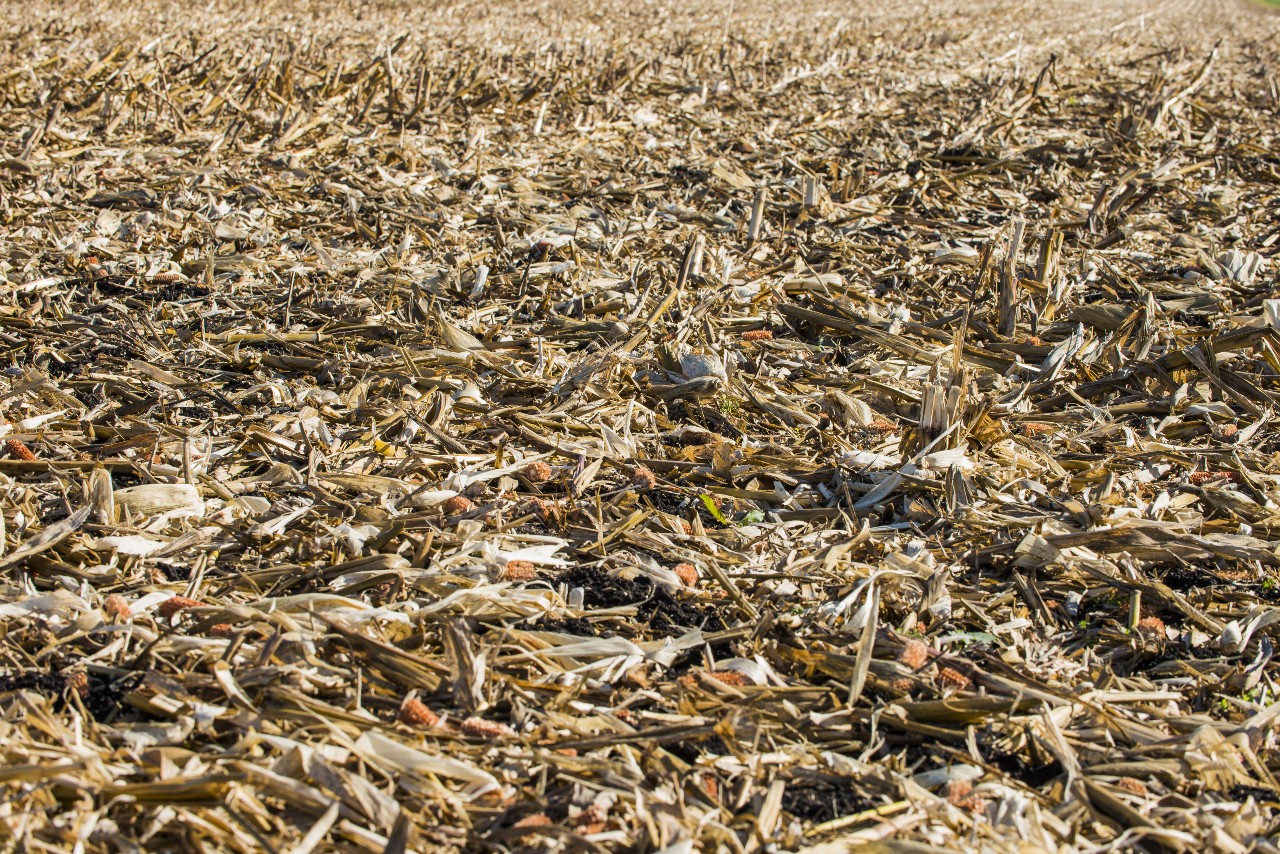
Crop residues such as stalks, husks, and leaves are rich in nutrients. Many farmers burn them, but this practice wastes valuable resources. Instead, compost these materials with manure or kitchen waste to create powerful organic fertilizer. You can also use them as mulch to conserve moisture and suppress weeds. Some residues work well as animal feed, while others enrich the soil when tilled in as green manure. You may even convert them into biogas to generate clean energy on your farm.
2. Livestock Manure
Livestock manure offers more benefits than most people realize. When properly composted, it becomes a safe and nutrient-rich fertilizer. You can process manure through anaerobic digestion to produce biogas for household or farm use. The remaining digestate works well as liquid fertilizer. Manure solids also serve as bedding or can be mixed with compost to improve soil texture and fertility.
3. Spoiled or Discarded Produce
Spoiled produce should never go to waste. Some vegetables and fruits can feed animals safely. Others decompose well when added to compost to create humus. If you have edible but unsellable produce, consider donating it to reduce food loss. Damaged harvests also make good silage or can be processed for biogas production. Every piece of produce can serve a valuable purpose when handled wisely.
4. Agricultural Plastics and Pesticide Containers
Plastic waste from agriculture, such as irrigation pipes, mulch films, and silage wraps, can harm the environment if left unmanaged. Recycle reusable plastics through certified recycling programs. Always triple-rinse pesticide containers before disposal or recycling. Buying products in bulk reduces packaging waste and lowers your environmental footprint.
Creative Ways to Turn Farm Waste Into Resources
Farm waste management does not require expensive tools. With creativity and consistency, you can convert waste into wealth. Use compost and mulch to build healthier soil. Produce biogas for clean energy. Feed animals with suitable crop residues. Apply straw or shredded plant materials to control erosion and protect your land.
Farm waste is full of potential. When used wisely, it boosts productivity, lowers costs, and protects the planet. Let’s embrace smarter, cleaner, and greener farming practices that leave nothing to waste.