
Introduction
Fall Armyworm (FAW) is one of the most destructive pests affecting Kenyan farms today. Since it appeared in 2017, it has damaged thousands of acres of maize, sorghum, millet, sugarcane, and wheat. Because it spreads fast and breeds quickly, early detection and proper control are essential. This guide explains how to identify Fall Armyworm and how to manage it effectively before it destroys your crop.
What Is Fall Armyworm?
Fall Armyworm (Spodoptera frugiperda) is an invasive pest originally from the Americas. It spreads rapidly because adult moths travel long distances, sometimes more than 100 kilometers in a single night. A single female can lay up to 2,000 eggs. With this fast reproduction cycle, infestations grow quickly and cause heavy losses if not controlled early.
Signs of Fall Armyworm Damage
Farmers should scout their fields often and look for the following symptoms:
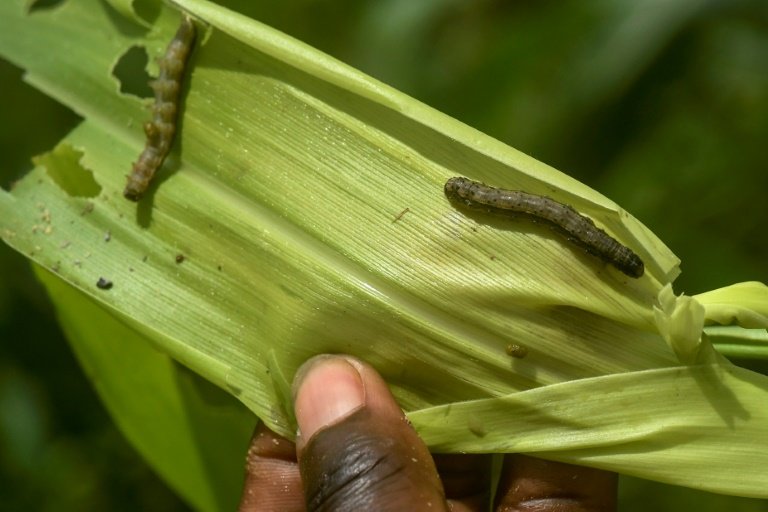
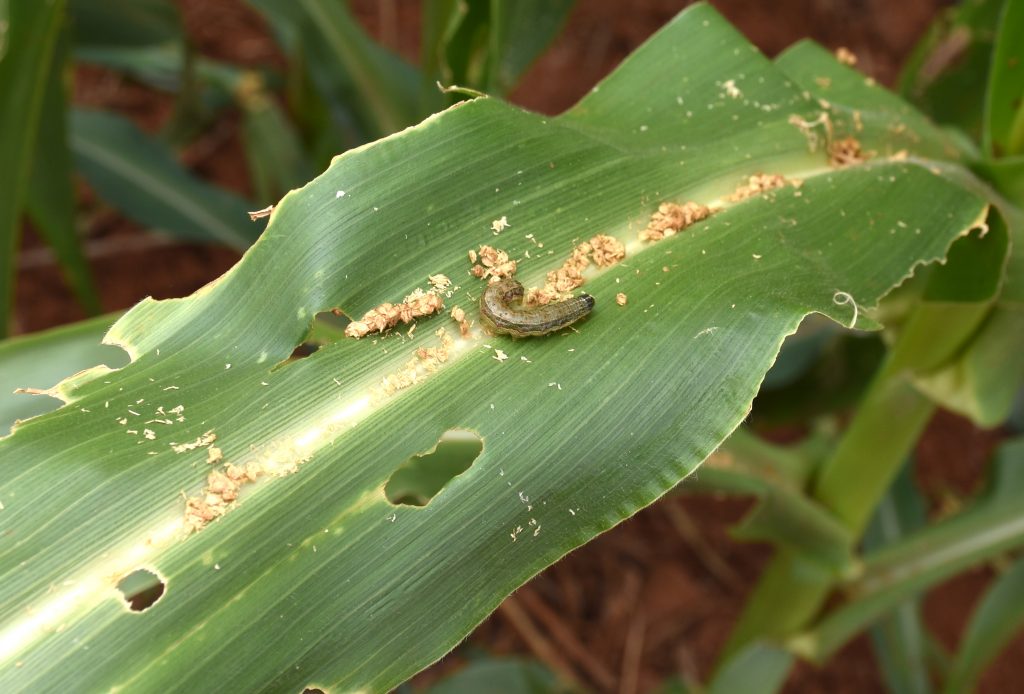
✔ Windowpane patches – Transparent or thin patches on leaves.
✔ Holes in rolled leaves – Caused by larvae feeding inside the whorl.
✔ Sawdust-like frass – Wet waste left on leaves or around the whorl.
✔ Chewed tillers above ground – A key difference from cutworms.
✔ Larvae deep inside the whorl – Often hidden where chemicals struggle to reach.
✔ Inverted “Y” on the head – A clear and reliable identification mark.
Because crops remain vulnerable from tillering to maturity, regular inspection is important throughout the season.
Why the FAW Life Cycle Matters
Understanding the FAW life cycle helps farmers control it more effectively. Eggs hatch within a few days. Young larvae feed aggressively, causing the most damage. As they grow, they hide deeper in the whorl, making them harder to reach with sprays. Early stages are the best time for chemical control.
How to Control Fall Armyworm
A combined approach gives the best results. Here are the most effective control methods:
1. Scout Frequently
Walk through your field several times a week. Check different areas because FAW often appears in patches. Early discovery reduces losses and lowers control costs.
2. Spray Early or at Dusk
Larvae feed more during the early morning and evening. Spraying at these times increases contact with the pest. Target young larvae, as older ones are harder to control.
3. Use Recommended Insecticides
Effective active ingredients include:
- Emamectin benzoate
- Acephate
- Indoxacarb
Rotate chemicals to prevent resistance. Always follow the recommended guidelines and observe pre-harvest intervals.
4. Calibrate Your Sprayer
Proper calibration ensures the chemical reaches the leaf whorl. Use fine droplets for better penetration and even coverage.
5. Set Up Pheromone Traps
Pheromone traps help detect moth activity early. When trap counts rise, prepare to spray before eggs hatch and larvae begin feeding.
6. Remove Volunteer Maize and Sorghum
Volunteer plants and leftover stubble provide breeding sites. Clearing them reduces early infestation risk and breaks the FAW cycle.
7. Maintain Healthy Soil and Nutrition
Healthy plants tolerate FAW damage better. Improve your soil with compost, maintain proper pH, and avoid excessive nitrogen. Strong crops recover faster and produce better yields even under pressure.
Long-Term FAW Management
Fall Armyworm cannot be eliminated completely, but long-term management helps reduce damage. Integrated pest management (IPM) includes:
- Planting early
- Encouraging natural predators
- Using FAW-tolerant varieties
- Practicing crop rotation
- Keeping fields clean
These strategies reduce the need for repeated chemical spraying and support sustainable farming.
Conclusion
Fall Armyworm remains a serious threat, but farmers can manage it with the right strategies. Regular scouting, early spraying, proper field hygiene, and good nutrition all play a major role in controlling FAW. Early action protects your crops, reduces losses, and ensures better yields.