
Proper concentrate feeding is one of the most reliable ways to increase milk yield, enhance cow health, and improve dairy farm profitability. When managed correctly, it promotes better digestion, stronger immunity, and consistent production throughout the lactation cycle. This detailed guide shares best practices every dairy farmer should use to optimize concentrate feeding and transform herd performance.
1. Understanding Concentrate Feeds
Concentrate feeds supply essential nutrients that forage alone cannot offer. They provide energy, protein, vitamins, and minerals. Maize and wheat bran boost energy levels. Soybean meal improves protein intake. Calcium and salt strengthen bones and support overall health. Together, these feeds promote strong rumen activity and steady milk flow.
2. Evaluating Each Cow’s Nutritional Needs
Every cow requires a specific nutrient balance depending on weight, lactation stage, milk output, and overall health. High-yielding cows need additional energy and protein. Fresh cows in early lactation require more nutrients to support rising milk production. Balanced rations prevent deficiencies and help cows perform at their best.
3. Balancing Concentrates with Forage
Forage should form the bulk of a cow’s diet. A mix of 60–70% forage and 30–40% concentrates supports healthy digestion and strong milk production. Too many concentrates can cause acidosis and disrupt rumen function. A well-balanced diet protects health and ensures consistent performance.
4. Choosing Quality Feed and Using Proper Processing
High-quality feeds make a clear difference in production. Use clean, mold-free grains and high-grade oilseeds. Processing methods like grinding, flaking, or pelleting help cows digest feeds more efficiently. Avoid very fine particles as they increase rumen acidity. Proper processing reduces waste and improves nutrient absorption.
5. Introducing Concentrates Slowly and Feeding Consistently
Introduce concentrates gradually over seven to ten days. Sudden changes can lead to digestive problems. Keep a consistent feeding schedule to protect rumen stability and maintain milk flow. Feeding concentrates two or three times a day supports better digestion and reduces metabolic disorders.
6. Avoiding Overfeeding and Underfeeding
Balanced feeding is essential for cow health. Overfeeding leads to weight gain, poor fertility, and metabolic issues. Underfeeding reduces milk yield and weakens body condition. Adjust concentrate quantities based on visible body changes and milk production levels.
7. Maintaining the Right Energy and Protein Levels
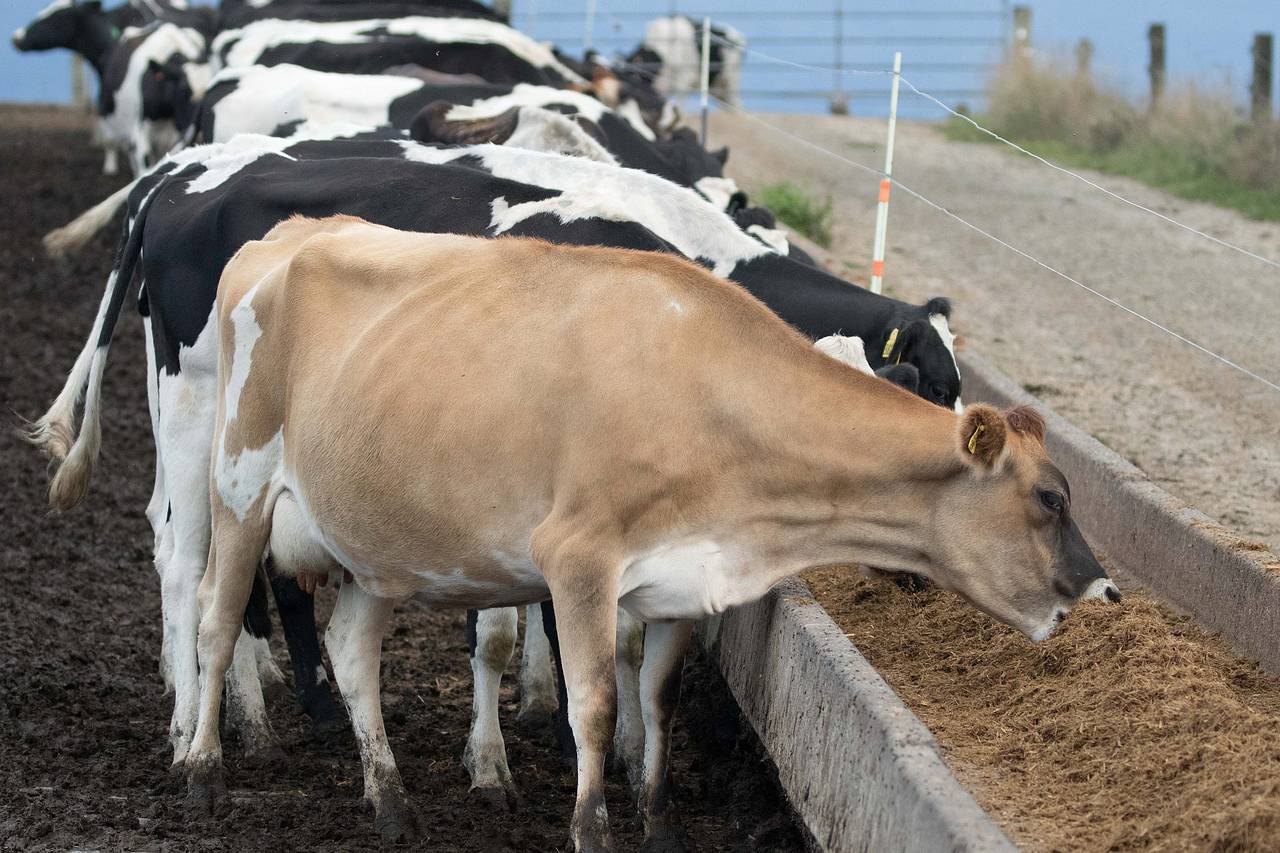
Cows need diets with 16–18% crude protein for best results. Combine energy-rich feeds such as maize with enough fiber to protect rumen health. Avoid excessive protein because it increases ammonia levels and wastes resources. Proper nutrient balance supports efficient milk production.
8. Providing Essential Minerals and Vitamins
Minerals and vitamins play major roles in immunity and productivity. Cows need calcium, sodium, magnesium, phosphorus, and vitamins A, D, and E. Offer mineral licks or mix supplements into concentrates. A complete nutrient supply keeps cows healthy and prevents deficiencies.
9. Monitoring Performance and Adjusting Feeding Plans
Observe cows daily. Watch manure consistency, body condition, and milk production. Conduct routine feed tests to check nutrient content. Adjust feeding plans as forage quality changes or seasons shift. Regular monitoring prevents production drops and health issues.
10. Ensuring Constant Water Supply
Water is a crucial part of dairy nutrition. Lactating cows can drink 60–120 liters of water daily. Provide clean water near feeding areas. Proper hydration improves digestion, supports dry matter intake, and boosts milk output. Clean troughs regularly to encourage drinking.
Bottom Line
Balancing forage with high-quality concentrates sets the foundation for a productive dairy farm. Consistent monitoring, proper feeding practices, and nutrient adjustments help maintain healthy cows and high milk yields. Smart feeding leads to long-term profitability and a stronger herd.