
Heat stress is one of the biggest challenges dairy farmers face during hot weather. As temperatures rise, dairy cows struggle to regulate their body temperature. This stress directly affects milk production, fertility, immunity, and overall herd performance. Understanding heat stress and applying practical prevention strategies helps protect cows and maintain productivity throughout the summer months.
This guide explains what heat stress is, how to recognize early warning signs, and the most effective ways to prevent it in dairy herds.
What Is Heat Stress in Dairy Cows?
Heat stress occurs when a cow absorbs more heat than she can release. Dairy cows perform best within a narrow temperature range. When their internal body temperature rises above 100°F to 103°F, normal physiological functions become strained.
High-producing dairy cows are especially vulnerable. Their metabolic activity generates additional internal heat. Combined with high temperatures and humidity, this puts significant pressure on the cow’s cooling mechanisms. As a result, feed intake declines, milk yield drops, and health problems increase.
Without intervention, prolonged heat stress reduces long-term herd performance and profitability.
Why Heat Stress Is a Serious Problem in Dairy Farming
Heat stress impacts more than comfort. It affects nearly every system in the cow’s body. Reduced feed intake leads to negative energy balance. Milk production declines quickly and may take weeks to recover.
Reproductive performance also suffers. Heat-stressed cows experience reduced conception rates and higher embryonic loss. Immune suppression increases the risk of mastitis, lameness, and metabolic disorders.
Because these effects compound over time, early prevention is essential for sustainable dairy management.
Signs of Heat Stress in Dairy Cows
Recognizing heat stress early enables farmers to take action before serious damage occurs. Common signs include:
- Heavy breathing or rapid panting
- Increased heart rate
- Reduced feed intake
- Lower milk production
- Increased water consumption
- Standing more and lying down less
- Reduced rumination
- Lethargy and reduced movement
- Crowding around water troughs or shade
When these signs appear, cows are already struggling to cope with the heat. Immediate cooling measures are necessary to prevent further stress.
How to Prevent Heat Stress in Dairy Cows
Effective heat stress management combines hydration, shade, airflow, and feeding adjustments. These strategies work best when applied together.
1. Provide Clean, Fresh Water at All Times
Water is the most critical defense against heat stress. Dairy cows typically drink 20 to 35 gallons of water per day. During hot weather, this demand increases significantly.
Ensure water troughs are easily accessible, clean, and filled with cool water. Dirty troughs reduce intake and increase bacterial growth. Place water points near feeding areas and exits from the milking parlor to encourage frequent drinking.
Adequate water intake helps regulate body temperature and supports milk production during heat stress.
2. Offer Adequate Shade for Cooling
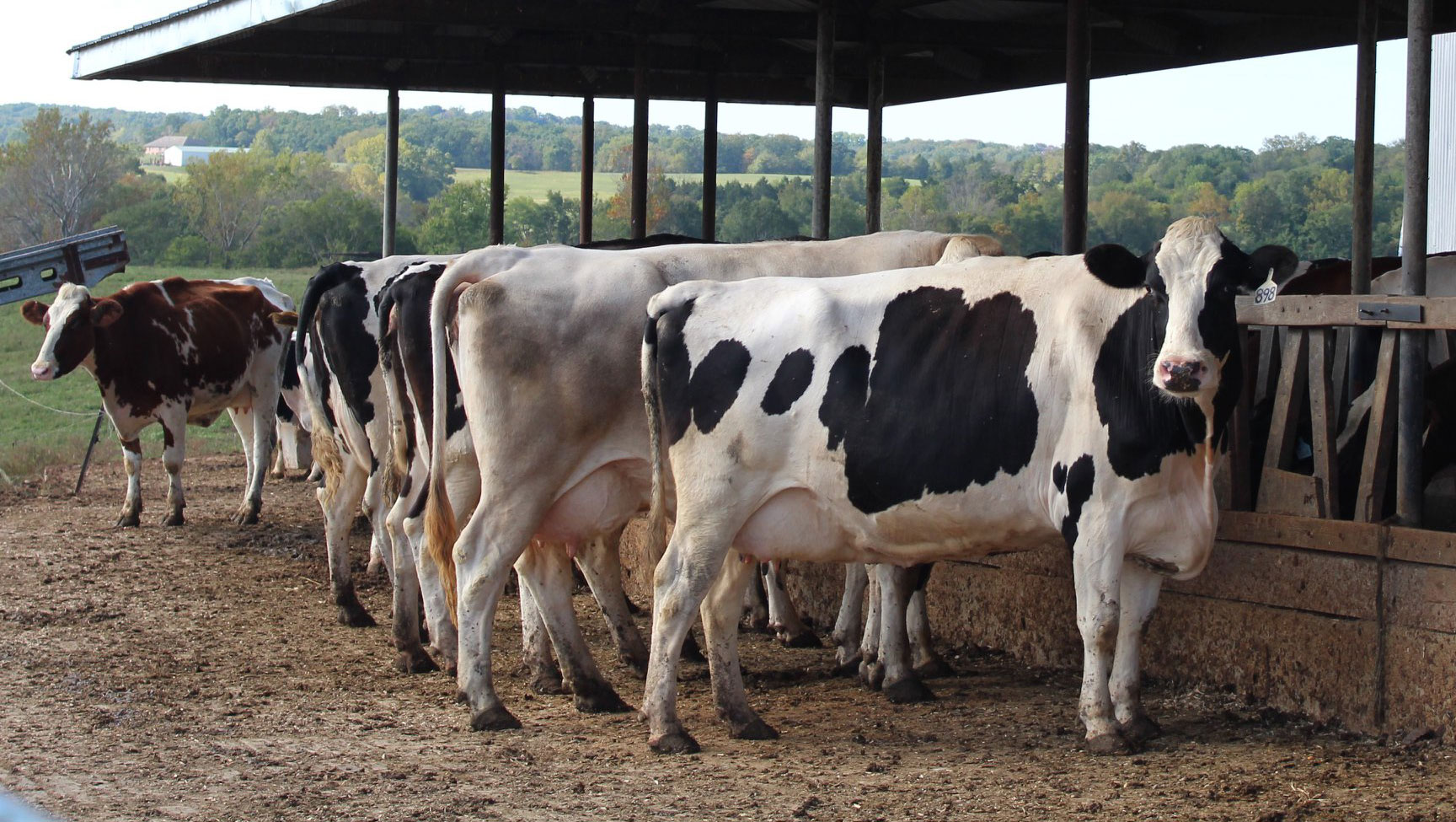
Shade reduces solar heat load and helps cows maintain a lower body temperature. Natural shade from trees is beneficial, but artificial structures provide more consistent protection.
Shade structures should be tall enough to allow airflow and large enough to prevent overcrowding. Crowding increases heat buildup and stress. Shaded areas encourage cows to rest and conserve energy during the hottest parts of the day.
Providing shade is a simple yet powerful way to reduce heat stress across the herd.
3. Improve Ventilation and Airflow
Good airflow is essential for heat dissipation. Open-sided barns, windows, and doors allow fresh air to circulate freely. In enclosed housing, mechanical ventilation becomes critical.
Install fans in stalls, feeding alleys, and holding pens. Fans help move hot air away from cows and improve evaporative cooling. Combining fans with sprinklers or misters enhances cooling even further.
Sprinklers should wet the cow’s hide without soaking bedding. Proper evaporation removes heat efficiently and improves comfort.
4. Adjust Feeding Practices During Hot Weather
Heat-stressed cows eat less, which directly affects milk yield. Feeding strategies must adapt to encourage intake.
Provide fresh feed during cooler parts of the day, such as early morning or late evening. Push up feed regularly to keep it accessible and appealing. Avoid spoiled or heated feed, as cows will refuse it.
Ensure rations are well-balanced and easy to digest. High-quality forages and consistent feeding schedules support rumen function during periods of heat stress.
Additional Heat Stress Management Tips
Small management changes can further reduce heat stress:
- Reduce the time cows spend in holding pens
- Avoid handling during peak heat hours
- Maintain clean, dry bedding
- Monitor temperature-humidity index (THI)
- Observe cows daily for early warning signs
Preventive action is always more effective than reactive treatment.
Long-Term Benefits of Heat Stress Prevention
Managing heat stress improves both short-term performance and long-term herd health. Cows that remain comfortable maintain better milk production, stronger immunity, and improved fertility.
Reducing heat stress also lowers veterinary costs and improves animal welfare. A well-managed cooling system pays for itself through sustained productivity and healthier cows.
Conclusion: Keep Cows Cool for a Productive Summer
Heat stress poses a serious threat to dairy herds, but it is manageable with the right strategies. Clean water, adequate shade, proper ventilation, and smart feeding practices form the foundation of effective heat stress prevention.
By recognizing signs early and acting promptly, dairy farmers protect milk yield, reproductive performance, and overall herd health. A cool cow is a healthy, productive cow—and summer management makes all the difference.