
Banana peels are one of the simplest and most effective natural fertilizers you can use in your garden. Packed with potassium, magnesium, calcium, and phosphorus, they help boost plant health without chemicals. Instead of throwing banana peels away, you can turn them into a nutrient-rich fertilizer that supports strong roots, vibrant leaves, and abundant blooms. This guide explains why banana peel fertilizer works and shows you the best ways to use it.
Why Banana Peel Fertilizer Works for All Plants
Banana peels contain a wide range of essential nutrients. These nutrients improve plant growth and strengthen overall plant health.
- Calcium supports strong cell walls and helps plants absorb nutrients more efficiently.
- Magnesium plays a key role in photosynthesis and improves leaf color.
- Phosphorus enhances root development and increases flower production.
- Potassium boosts plant strength, nutrient movement, and disease resistance.
Because of these benefits, banana peel fertilizer works well for tomatoes, flowers, vegetables, fruit trees, and houseplants. It provides a steady supply of nutrients and improves soil quality over time. With regular use, you will notice stronger stems, healthier leaves, and better yields.
4 Effective Ways to Use Banana Peels as Organic Fertilizer
There are several simple methods to turn banana peels into plant food. Each method offers unique advantages and works for different gardening needs. Below are four effective ways to use banana peels in your garden.
1. Add Banana Peels to Compost
Adding banana peels to your compost pile is one of the easiest methods. As the peels break down, they release nutrients that enrich your compost with essential minerals. This creates a strong, balanced soil amendment.
Banana peels also speed up the composting process because they decompose quickly. Once mixed into the garden soil, this nutrient-rich compost improves soil structure, enhances water retention, and boosts microbial activity. This method is ideal for gardeners who want long-term soil improvement.
2. Make a Banana Peel Slurry
A banana peel slurry provides a fast nutrient boost. To prepare it, soak your banana peels for a few hours, then blend them into a smooth mixture. Bury this slurry around the base of your plants.
The slurry breaks down quickly in the soil and releases nutrients directly to the roots. It is especially useful for heavy feeders like tomatoes, peppers, and flowering plants. Since the mixture decomposes fast, it helps improve soil health and encourages strong, steady growth.
3. Prepare Banana Peel Fertilizer Tea
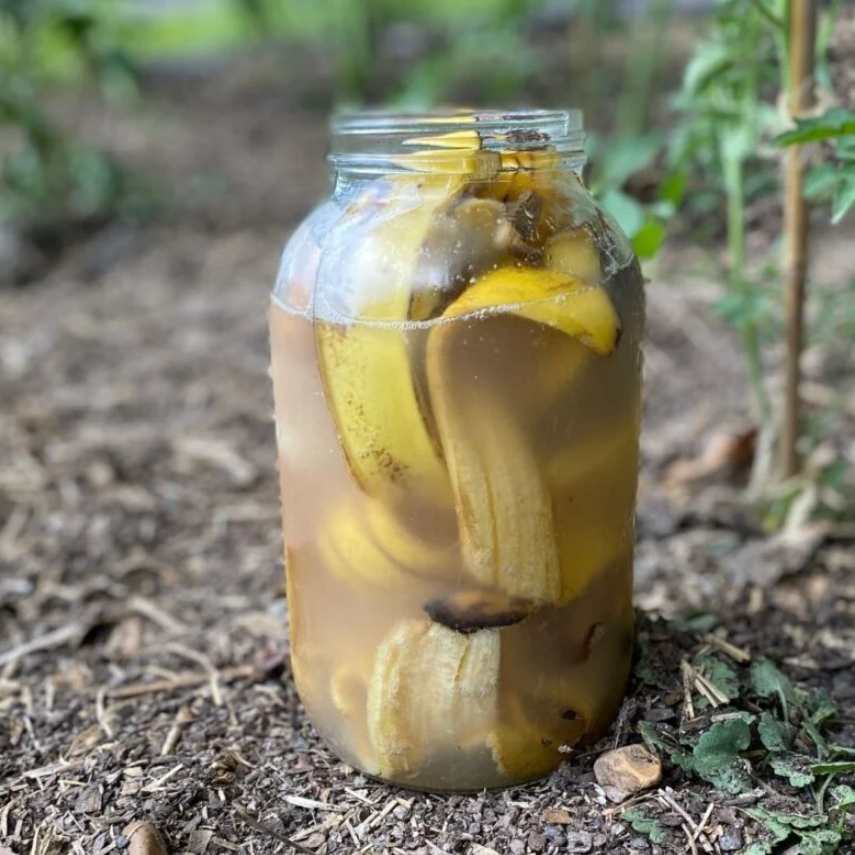
Banana peel fertilizer tea is a liquid organic fertilizer that plants absorb easily. To make it, soak banana peels in water for one to four weeks. After the soaking period, remove the peels and dilute the liquid before using it.
Pour the diluted tea at the base of your plants to provide an instant nutrient boost. This method offers two benefits: it nourishes the plants and helps repel pests, such as aphids. Liquid fertilizers reach the roots more quickly, allowing for improved growth, greener leaves, and stronger blooms.
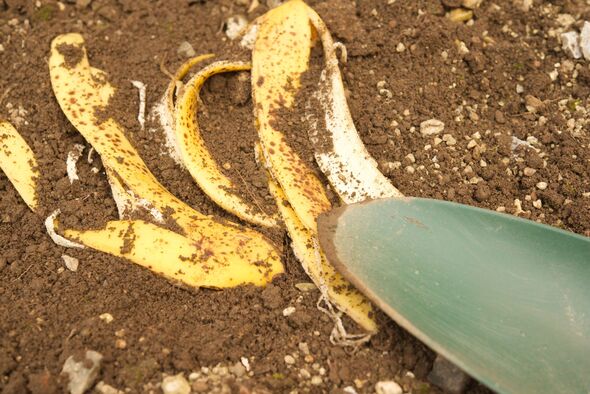
4. Bury Chopped Banana Peels in the Soil
Burying chopped banana peels near your plants is another simple and effective method. Cut the peels into small pieces to help them decompose faster. Once buried, the peels break down and release nutrients slowly into the soil.
This method improves soil fertility and helps deter pests such as ants and aphids. It also enhances soil texture by adding organic matter. It is ideal for gardeners who prefer a hands-off approach but still want long-term soil improvement.
Transform Kitchen Waste into Powerful Plant Food
Banana peel fertilizer is a practical, eco-friendly, and cost-effective way to nourish your garden. It turns everyday kitchen waste into a powerful organic fertilizer that supports healthier plant growth. When used regularly, it improves soil quality, strengthens plant immunity, and boosts flowering and fruiting.
With these easy methods, you can create healthier soil, reduce waste, and grow thriving plants naturally. Try one or more of the methods above and enjoy the transformation in your garden.