
Introduction
Soil erosion weakens farms, homesteads, and landscapes. When valuable topsoil disappears, your land loses fertility and struggles to support strong vegetation. As erosion increases, productivity declines, and the environment suffers. However, trees offer one of the most effective and affordable natural solutions. Their structure, roots, and biological processes help protect the soil and improve land health. In this article, you will learn how trees reduce erosion and why planting them strengthens the environment for the long term.
Why Soil Erosion Is Dangerous
Soil erosion removes the top layer of soil that holds nutrients and organic matter. Without this layer, crops grow poorly, water infiltrates less, and the land becomes weak. Erosion also leads to sedimentation in rivers and dams, which harms water quality. Over time, bare soil becomes dry and compacted, making it even harder for plants to grow. Because of these challenges, preventing erosion should be a top priority.
How Tree Roots Strengthen Soil
Tree roots act like powerful anchors. They extend deep into the ground and hold the soil in place. This reduces the chances of runoff carrying soil away during heavy rain. Roots also break up compacted soil and improve water absorption. As a result, soil stays loose, fertile, and productive. Since roots spread wide beneath the surface, they stabilize large areas of land naturally. This makes trees especially valuable on slopes and riverbanks where erosion is severe.
Why Tree Canopies Reduce Erosion
Tree canopies provide a natural shield that protects the soil from direct rainfall. Raindrops that hit bare soil loosen particles and cause erosion. However, tree leaves and branches slow the impact of rainfall and guide water gently to the ground. This reduces splash erosion and helps water soak in rather than run off. Furthermore, tree canopies reduce the force of wind. Strong winds blow away dry soil particles, but trees act as windbreaks that calm the air and keep soil in place.
How Transpiration Helps Control Water Levels
Transpiration is the process by which trees absorb water through their roots and release it through their leaves. This natural action reduces excess moisture in the soil. When the soil stays too wet, runoff increases and erosion becomes more likely. Trees regulate moisture levels and keep the soil structure strong. Healthy soil resists erosion better and supports more plant life. Because of this, the presence of trees improves drainage and promotes balance in the ecosystem.
Trees Improve Soil Through Organic Matter
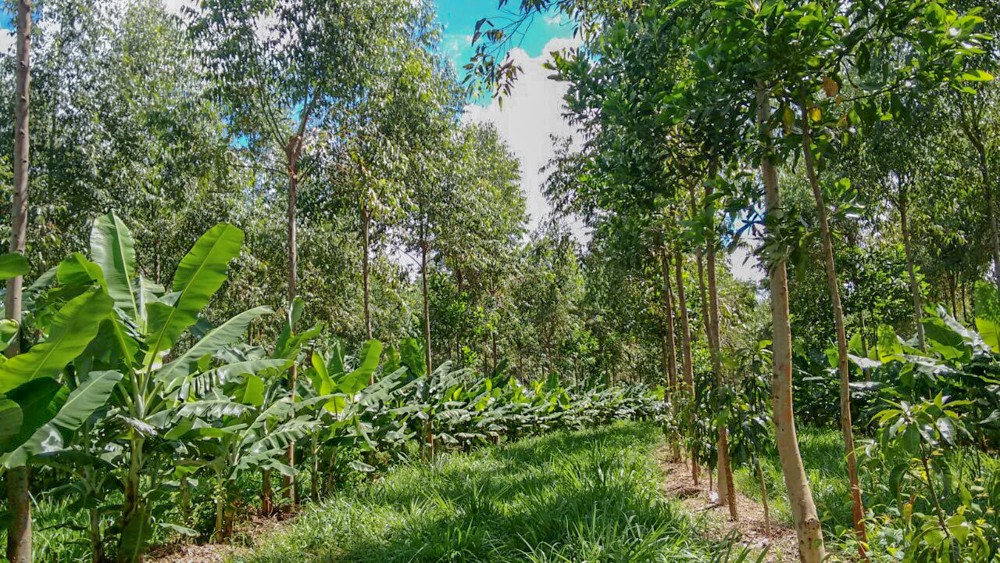
Falling leaves, twigs, and branches form a rich layer of organic matter on the ground. This layer protects the soil from sun exposure and reduces evaporation. As organic matter breaks down, it enriches the soil with nutrients. This improves texture, boosts fertility, and encourages healthy root growth. Strong vegetation helps hold soil in place and prevents erosion even further.
Trees Protect Slopes and Waterways
Areas with slopes and riverbanks experience the highest erosion risks. Trees planted along contours and edges slow water flow and stabilize these sensitive zones. Their roots secure the soil, while their canopies reduce surface runoff. This prevents landslides, reduces sedimentation, and protects water quality. Because of their natural strength, trees are essential for managing erosion in such areas.
Why Planting Trees Creates Long-Term Benefits
Trees offer long-term protection that strengthens the land for generations. They enhance soil health, improve biodiversity, and create a stable environment. Unlike engineered solutions, trees grow stronger over time and continue working without high maintenance costs. Planting and caring for trees is a sustainable way to protect your land and support a healthier ecosystem.
Conclusion
Trees remain one of the most powerful natural tools for preventing soil erosion. Their roots stabilize the ground, their canopies reduce the force of rain and wind, and their natural processes preserve soil structure. When you plant trees, you protect your land, improve fertility, and support the environment. Even a small number of trees can create a big impact. Start planting today to secure your soil for the future.