
Why Soya Beans Are a Game-Changer for Farmers
Soya beans are one of the most versatile and profitable crops you can grow. Beyond being rich in protein and highly marketable, they bring remarkable benefits to your soil, crop rotation, and overall farm productivity. Whether you’re a smallholder or large-scale farmer, including soya beans in your farming system is a sustainable decision that pays off in multiple ways.
1. Better Moisture Conservation
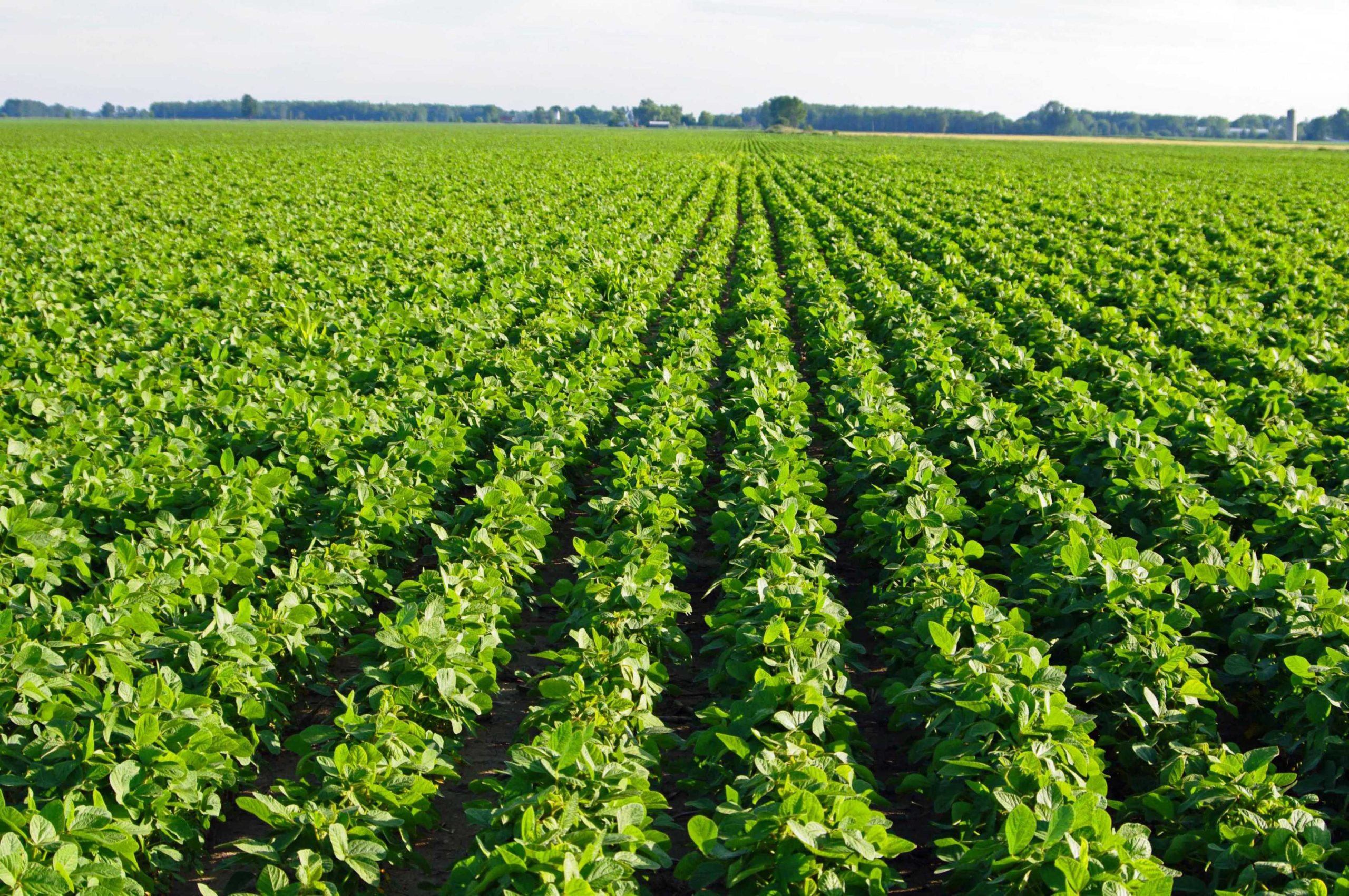
Soya beans mature early and develop a thick canopy that shields the soil from direct sunlight. This natural cover helps retain moisture, reduces evaporation, and prevents soil from drying out too quickly. In areas with unpredictable rainfall, this moisture conservation is vital for maintaining soil health and supporting the next crop in your rotation.
The canopy also minimizes soil erosion, keeping valuable topsoil intact, a key factor for long-term land productivity.
2. Natural Weed, Pest, and Disease Control
Integrating soya beans into your crop rotation plan can significantly reduce the pressure of weeds, pests, and diseases. Soya beans disrupt the life cycles of common cereal pests and pathogens, especially when planted before maize or wheat.
This makes them an essential part of Integrated Pest Management (IPM). By relying less on chemical pesticides, farmers can reduce costs and protect beneficial insects, promoting a balanced farm ecosystem.
3. Improved Farm Cash Flow
Soya beans mature within 115 to 135 days, much earlier than most cereal crops. This early harvest allows farmers to access cash returns around April or May, before the main harvest season begins.
This early income stream supports farm operations, helps with input purchases, and improves financial stability throughout the year. Soya beans are not just a soil builder; they’re a dependable source of mid-season cash flow.
4. Excellent Crop Rotation Partner
Soya beans are a perfect companion in crop rotation systems, especially when paired with maize or winter wheat. They naturally fix atmospheric nitrogen in the soil through root nodules, enriching the land and reducing the need for synthetic fertilizers.
This added nitrogen boosts soil fertility and enhances the yield potential of subsequent crops. Over time, this sustainable cycle improves soil structure and health, making your farm more productive and resilient.
5. Efficient Land and Labor Use
Because soya beans spend less time in the field compared to long-season crops, they allow for more efficient land use and flexible planning. Farmers can stagger their planting and harvesting schedules, distributing labor evenly throughout the year.
This improved resource management means less downtime, better workload balance, and more consistent farm productivity. It’s a time-smart crop that helps farmers make the most of every planting season.
6. A Sustainable Investment for the Future
Growing soya beans is not just a short-term profit strategy; it’s an investment in long-term soil and farm health. The crop’s ability to improve soil fertility, conserve moisture, and suppress pests makes it a cornerstone of sustainable farming.
For smallholder farmers aiming to transition to climate-smart agriculture, soya beans offer a perfect balance between profitability and environmental care.
The Bottom Line
Soya beans do more than boost your income; they transform how your farm functions. From better soil fertility and natural pest control to improved moisture retention and early cash returns, this crop adds value at every stage of your farming calendar.
By integrating soya beans into your rotation, you’re not only improving yields but also building a more sustainable and productive future for your land.