Kenya is a promising source of fresh avocados for international markets. Its favorable growing conditions support the production of popular varieties, including Hass and Fuerte. Consequently, international buyers can source Kenyan avocados for supermarkets, wholesalers, food distributors, and processing companies. Lets explore Avocado Export from Kenya: Prices, Requirements, Suppliers and How to Buy in 2027
However, successful sourcing requires more than finding a farm. Buyers must evaluate quality, supplier reliability, export documentation, packaging, and shipping arrangements.
Whether you want to buy avocados from Kenya for wholesale distribution or establish a long-term supply partnership, understanding the export process helps you make informed decisions.
This guide explains avocado export from Kenya, including suppliers, prices, export requirements, and international shipping options for 2027.
Avocado Export from Kenya to International Markets
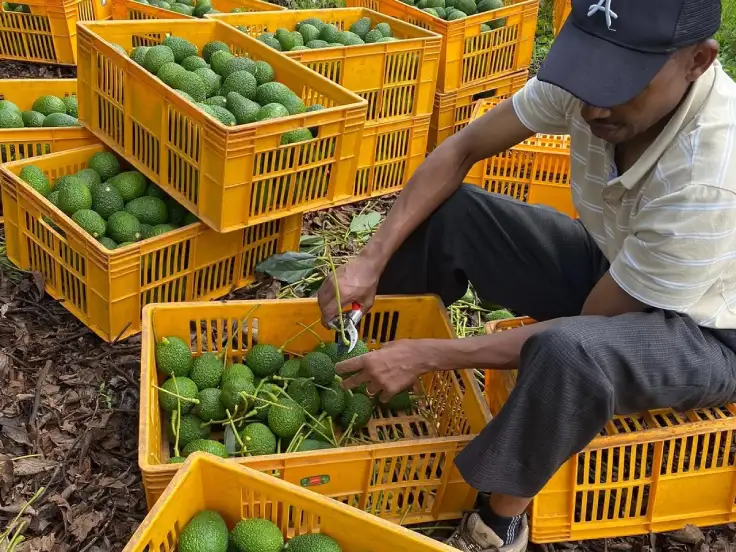
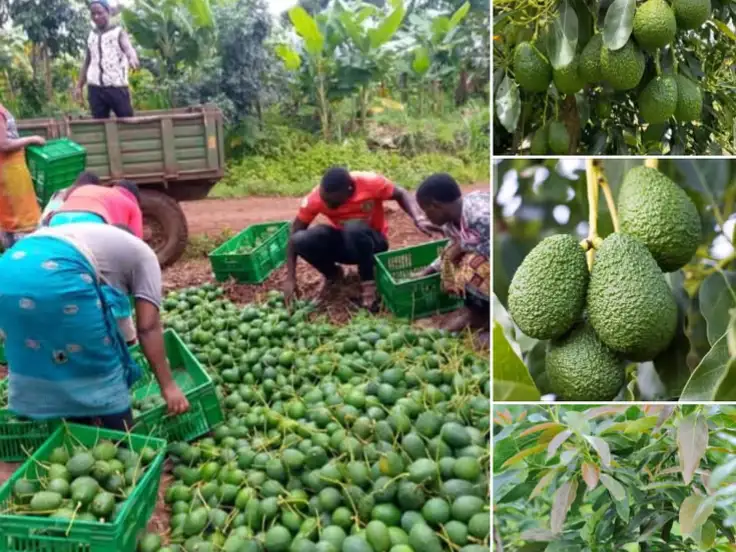
Kenyan avocado exporters connect local farmers with international buyers seeking fresh produce. Exporters typically coordinate harvesting, grading, packaging, documentation, and transportation.
Furthermore, professional export companies help buyers manage supply consistency and quality expectations. Some work directly with farmers, while others operate through organized grower networks.
Before choosing an exporter, consider these factors:
- Export experience and destination-market knowledge.
- Access to reliable avocado farms.
- Quality control and traceability procedures.
- Appropriate packing and cold-chain facilities.
- Ability to provide required export documentation.
- Transparent pricing and shipping arrangements.
Ultimately, the best supplier should demonstrate product quality, reliable communication, and the capacity to fulfill your order.
Why Source Fresh Hass Avocados from Kenya?
Kenya offers several advantages for international avocado buyers. Its agricultural conditions support avocado production, while established export networks connect growers with overseas markets.
Here are the main benefits of sourcing Kenyan avocados:
- Popular varieties: Hass avocados serve fresh-produce markets, while Fuerte provides another established commercial option.
- Flexible sourcing: Buyers can explore different farms and suppliers based on volume requirements.
- Commercial opportunities: Importers can supply supermarkets, wholesalers, restaurants, and food distributors.
- Export experience: Established exporters understand international shipping and produce-handling requirements.
- Value addition: Buyers can explore fresh avocados and, where available, avocado oil or other processed products.
Nevertheless, availability depends on variety, season, growing conditions, and export regulations.
Our Hass Avocado Export and Supply Services
Reliable Hass avocado suppliers in Kenya help international buyers access produce that meets their commercial requirements. Depending on their operations, suppliers may offer farm sourcing, grading, packaging, and export coordination.
When evaluating an avocado supplier, request information about:
- Available varieties and harvest periods.
- Minimum order quantities and monthly capacity.
- Fruit sizes, grades, and maturity specifications.
- Packaging formats and labeling options.
- Export destinations and shipping methods.
- Payment terms and delivery responsibilities.
Additionally, request recent product photographs, sample specifications, and relevant certifications. Where practical, arrange an independent inspection before approving a large shipment.
These steps reduce uncertainty and help establish a dependable supply relationship.
Avocado Export Prices in Kenya and Bulk Ordering
Avocado export prices in Kenya vary according to several commercial factors. Therefore, buyers should request quotations based on their specific order requirements rather than relying on a single market price.
Export quotations may use pricing terms such as FOB or CIF. FOB generally covers delivery onto the vessel under the agreed contract terms, while CIF includes cost, insurance, and freight to the named destination port.
However, the precise responsibilities depend on the agreed Incoterms and contract.
Factors Affecting Avocado Export Prices in Kenya
The main factors influencing avocado prices include:
- Variety: Hass and Fuerte may attract different prices.
- Fruit size and grade: Export specifications influence the value of each shipment.
- Seasonality: Harvest volumes and market demand affect availability.
- Order volume: Larger orders may qualify for different commercial terms.
- Packaging: Cartons, labeling, and specialized packing affect costs.
- Transportation: Freight rates, insurance, and destination requirements influence total expenses.
- Quality compliance: Inspection, certification, and handling requirements can add costs.
To compare suppliers accurately, request a quotation showing the price per kilogram, packaging costs, documentation charges, freight, and applicable destination expenses.
Countries We Export Kenyan Avocados To
Kenyan avocados serve various international markets, depending on seasonal demand, market access, and phytosanitary requirements.
Potential destinations include:
- Europe: Buyers in eligible European markets source avocados for retail and wholesale distribution.
- Middle East: Importers supply supermarkets, food distributors, and hospitality businesses.
- Asia: Selected markets offer opportunities for fresh avocado suppliers.
- Other international markets: Exporters may serve additional destinations where Kenya meets import requirements.
Import regulations can change. Therefore, buyers should confirm the current market-access conditions for their destination before placing an order.
Quality Standards and Requirements for Avocado Exports from Kenya
Export-quality avocados must satisfy the buyer’s specifications and applicable destination-market regulations.
Typically, importers expect fruit with suitable maturity, consistent sizing, acceptable appearance, and minimal physical damage.
Exporters should establish quality checks covering:
- Fruit maturity and harvesting practices.
- Size grading and sorting.
- Pest and disease inspection.
- Traceability from farm to shipment.
- Appropriate temperature management.
- Packaging integrity and shipment records.
Moreover, exporters supplying regulated markets must comply with applicable plant-health, food-safety, and residue requirements. Buyers should confirm these requirements before shipment.
Documents and Phytosanitary Certificates Required for Avocado Exports
Export documentation depends on the destination and shipment arrangements. Common requirements may include:
- Commercial invoice and packing list.
- Certificate of origin, where required.
- Phytosanitary certificate issued by the competent Kenyan authority.
- Export declaration and applicable customs documentation.
- Bill of lading or air waybill.
- Additional certificates or inspection records required by the importing country.
For European Union shipments, importers should also verify applicable plant-health requirements and any relevant traceability or food-safety obligations.
The exporter should coordinate with the Agriculture and Food Authority (AFA), the Kenya Plant Health Inspectorate Service (KEPHIS), and customs professionals as applicable.
Fresh Avocado Varieties Available for Export
Kenya produces several avocado varieties, although availability depends on the season and individual supplier.
Hass Avocados
Hass is widely traded internationally. Its textured skin darkens as the fruit ripens, making it popular with retailers and consumers.
Fuerte Avocados
Fuerte has smoother green skin and a distinctive pear-like shape. It can suit buyers seeking alternatives to Hass.
Before ordering, confirm variety, fruit size, maturity, grade, and expected harvest dates. This information helps prevent discrepancies between the purchase agreement and delivered produce.
How to Order Avocados from a Kenyan Exporter
International buyers can simplify procurement by following a structured ordering process.
- Define your requirements: Specify the variety, quantity, grade, packaging, and destination.
- Identify suppliers: Compare established avocado export companies in Kenya and their capabilities.
- Request quotations: Ask for prices, shipment schedules, payment terms, and delivery conditions.
- Verify credentials: Check registration, export experience, traceability, and relevant certifications.
- Agree on specifications: Document quality standards, rejection procedures, and inspection arrangements.
- Confirm logistics: Establish shipment dates, transport arrangements, and responsibility for costs.
- Finalize payment: Use documented commercial terms and appropriate payment safeguards.
Consequently, both parties understand their obligations before harvesting and shipment begin.
Packaging, Cold Chain and International Shipping for Avocados
Avocados require careful handling because bruising, unsuitable temperatures, and delays can reduce marketability.
Exporters typically grade and pack fruit into suitable cartons before arranging refrigerated transport where required. They must also maintain appropriate handling conditions throughout the supply chain.
Sea freight may suit larger commercial shipments, while air freight can serve smaller or time-sensitive orders. However, the best option depends on destination, transit time, costs, and buyer specifications.
Importers should confirm packaging dimensions, carton weights, palletization, temperature requirements, and delivery timelines before approving shipment.
Exporting Kenyan Avocados to Europe, the Middle East and Asia
Each destination presents different commercial and regulatory considerations.
For Europe, buyers should confirm current import eligibility, phytosanitary requirements, and applicable marketing standards. They should also verify any additional retailer requirements before shipment.
In the Middle East, importers should check local food-import procedures, labeling rules, and documentation requirements. Similarly, Asian buyers should confirm country-specific plant-health and customs conditions.
Ultimately, successful avocado exports depend on matching product specifications with destination requirements and dependable logistics.
Hass Avocado Suppliers in Kenya for Wholesale Buyers
Wholesale buyers should prioritize suppliers with dependable farm networks, consistent grading, and proven export capabilities.
When comparing fresh avocado export companies in Kenya, request references, product specifications, available volumes, and destination-market experience. Additionally, establish whether the supplier exports directly or works through another exporter.
These checks help buyers select suppliers that match their commercial needs.
How to Buy Avocados Directly from Kenyan Farmers and Exporters
Buying directly from farmers may improve supply-chain visibility. However, individual farmers may require an export partner to manage documentation, packing, and international shipping.
For larger orders, consider working with an exporter that coordinates multiple farms. This approach can improve supply consistency when individual farms cannot meet your full volume requirements.
Start with a clearly defined order, verify the supplier, and agree on inspection and delivery terms before committing funds.
Frequently Asked Questions About Avocado Export from Kenya
1. How can I buy avocados from Kenya?
Contact a Kenyan avocado exporter, specify your required variety and volume, request a quotation, and confirm documentation and shipping arrangements.
2. Who are the avocado exporters in Kenya?
Kenya has exporters, agricultural suppliers, and produce companies serving international markets. Evaluate their credentials, export experience, quality controls, and destination coverage before selecting one.
3. What is the price of exported avocados in Kenya?
Prices vary by variety, grade, season, order volume, packaging, and destination. Request a current quotation based on your specific requirements.
4. Which avocado varieties does Kenya export?
Hass and Fuerte are among Kenya’s established commercial varieties. Availability depends on the season and supplier.
5. What documents are required to export avocados from Kenya?
Requirements may include a commercial invoice, packing list, customs declaration, and phytosanitary certificate. Additional documents depend on the destination market.
6. Can Kenyan avocados be exported to Europe?
Yes, subject to current market-access conditions and applicable European import requirements. Confirm plant-health and other relevant regulations before shipping.
7. What is the minimum order quantity for avocado exports?
Minimum quantities vary by supplier and shipping method. Ask the exporter about available volumes, sample orders, and minimum commercial shipment sizes.
Conclusion: Find the Right Kenyan Avocado Export Partner
Avocado export from Kenya offers opportunities for importers, wholesalers, retailers, and food distributors seeking fresh produce. However, profitable sourcing requires reliable suppliers, clear pricing, quality assurance, and compliant export documentation.
Before placing an order, compare suppliers and verify their capabilities. Most importantly, agree on product specifications, payment terms, and delivery responsibilities in writing.
Looking for a Kenyan avocado supplier? Contact an established exporter to request current prices, available Hass avocado volumes, packaging options, and an export quotation for your destination market.
Comments