
Agriculture remains the backbone of Kenya’s economy, yet farmers face persistent challenges—from unpredictable weather to limited market access and rising input costs. Digital farming solutions transforming agriculture in Kenya are rapidly changing this narrative by introducing smarter, data-driven, and more efficient ways to farm.
From mobile apps to AI-powered analytics, digital agriculture in Kenya is empowering both large-scale and smallholder farmers to increase productivity, reduce risks, and access better markets. This guide explores the tools, benefits, real-life examples, and future trends shaping Kenya’s agritech revolution.
What Are Digital Farming Solutions?
Definition and Importance of Digital Farming Solutions that transforms agriculture in Kenya
Digital farming solutions refer to the use of technology, data, and digital tools to improve agricultural productivity and sustainability. These include:
- Mobile farming apps
- IoT sensors and smart devices
- AI-driven analytics
- Farm management systems
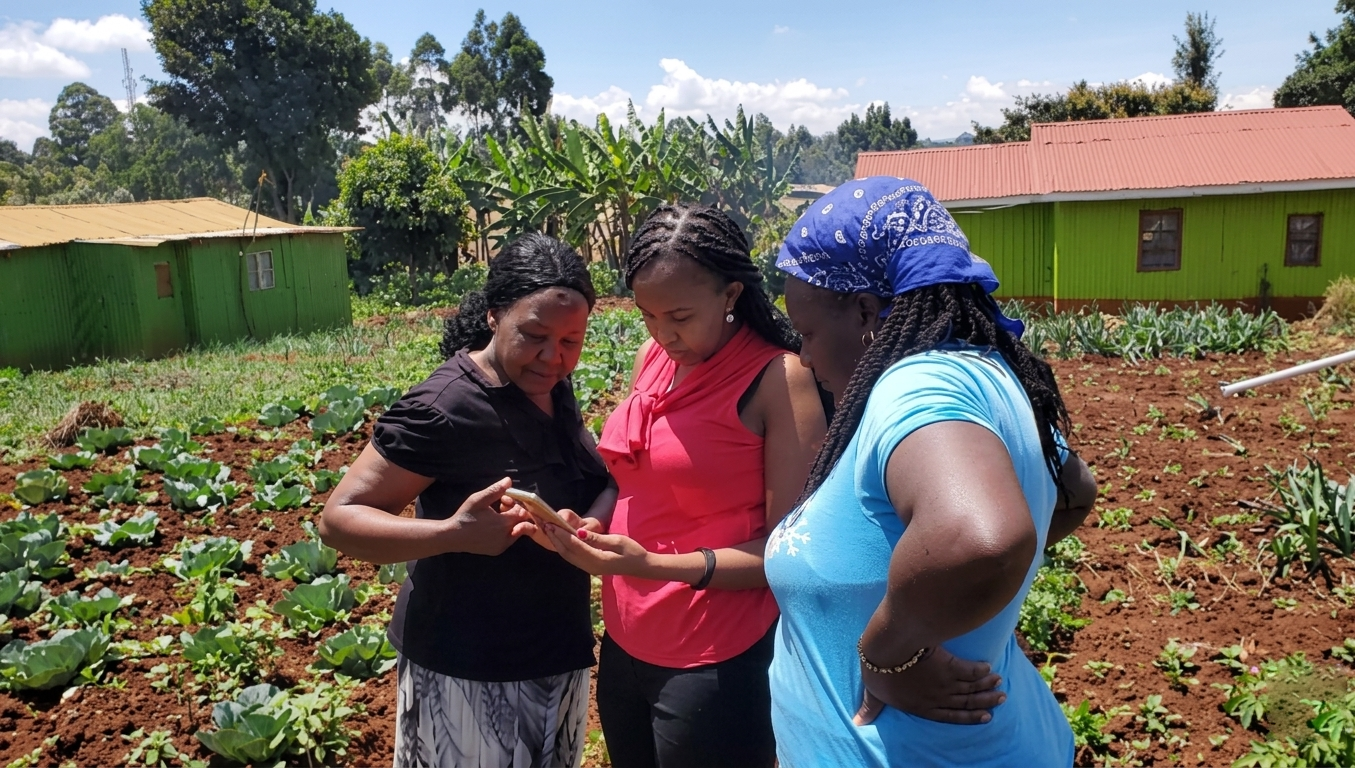
In Kenya, where agriculture is largely rain-fed and dominated by smallholder farmers, ICT in agriculture plays a critical role in improving decision-making and reducing uncertainty.
Evolution of Digital Agriculture Solutions that transforms agriculture in Kenya
Over the past decade, smart farming technologies in Kenya have evolved from basic SMS advisory services to advanced platforms integrating AI, satellite data, and mobile payments.
Key milestones include:
- Early SMS-based weather alerts and farming tips
- Introduction of mobile money (M-Pesa) enabling digital transactions
- Growth of platforms like DigiFarm and iCow
- Integration of AI and big data in precision farming
This evolution reflects Kenya’s position as a leader in agricultural technology tools in Africa.
Key Digital Farming Technologies Used in Kenya
Use of AI and Data Analytics in Agriculture
AI in agriculture in Kenya is helping farmers make smarter decisions by analyzing:
- Weather patterns
- Soil health data
- Crop performance trends
AI tools can recommend optimal planting times, fertilizer use, and pest control strategies.
IoT and Smart Sensors in Farming
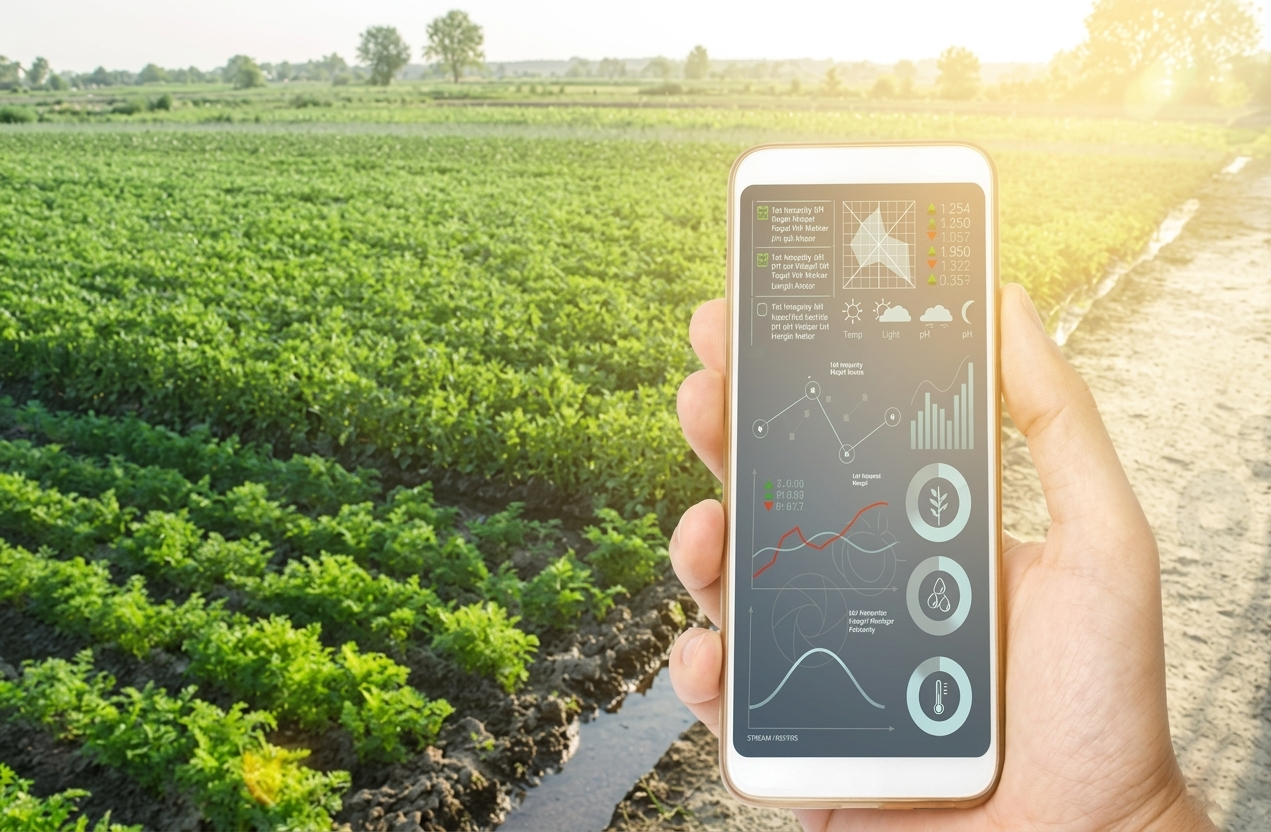
IoT devices collect real-time farm data, including:
- Soil moisture levels
- Temperature and humidity
- Livestock tracking
These precision farming solutions in Kenya help farmers reduce waste and improve yields.
Role of Mobile Technology in Modern Farming
How Mobile Apps Support Farmers in Kenya
Mobile technology is the most accessible entry point for digital tools for smallholder farmers.
Popular features of mobile farming apps in Kenya include:
- Weather forecasts
- Market price updates
- Access to credit and insurance
- Farming tips and training
With high mobile penetration, these apps bridge the gap between farmers and critical resources.
Benefits of Digital Farming for Kenyan Farmers
Improving Productivity Through Technology
Digital tools enable:
- Accurate input application
- Better crop monitoring
- Reduced post-harvest losses
Enhancing Market Access Using Digital Platforms
Farmers can now:
- Sell directly to buyers
- Access fair pricing
- Reduce reliance on middlemen
Climate-Smart Agriculture and Sustainability
Climate-smart agriculture in Kenya uses digital tools to:
- Optimize water usage
- Predict climate risks
- Promote sustainable practices
Digital Solutions for Smallholder Farmers in Kenya
Smallholder farmers, who form the majority in Kenya, benefit from:
- Affordable mobile-based platforms
- Access to microloans and insurance
- Real-time advisory services
These farm management systems in Kenya simplify planning, budgeting, and production tracking.
Real-Life Examples of Digital Farming solutions in Kenya
Case Study: Safaricom DigiFarm Platform
Safaricom’s DigiFarm is one of Kenya’s most impactful agritech platforms. It offers:
- Access to farm inputs on credit
- Agronomic advice via mobile
- Market linkages for produce
This platform demonstrates how digital agriculture in Kenya can scale effectively when integrated with mobile technology and financial services.
Other notable examples include:
- iCow – livestock management
- Twiga Foods – digital marketplace for produce
- Apollo Agriculture – AI-driven farm financing
Challenges Facing Digital Agriculture Adoption
Barriers to Technology Adoption Among Farmers
Despite its benefits, adoption remains uneven due to:
- Limited digital literacy
- High cost of advanced tools
- Poor internet connectivity in rural areas
- Data privacy concerns
Addressing these barriers is key to unlocking the full potential of smart farming technologies in Kenya.
Government and Private Sector Support in Agritech
Kenya’s agritech growth is supported by:
- Government policies promoting ICT in agriculture
- Partnerships with private companies and startups
- Innovation hubs and funding programs
Organizations and companies are investing in precision farming solutions in Kenya to drive food security and economic growth.
Future Trends in Digital Farming in Kenya
Opportunities for Youth in Digital Agriculture solutions in Kenya
Digital farming is creating new opportunities for young people, including:
- Agritech entrepreneurship
- Data analysis and farm advisory roles
- Tech-driven supply chain management
Emerging Trends to Watch
- Increased use of AI and machine learning
- Expansion of drone technology in farming
- Growth of blockchain for supply chain transparency
- More localized and affordable digital tools
The future of digital farming solutions transforming agriculture in Kenya lies in scalability, affordability, and inclusivity.
Conclusion
Digital transformation is no longer optional—it’s essential for the future of agriculture in Kenya. By leveraging digital agriculture tools, AI, mobile platforms, and smart farming technologies, farmers can overcome traditional challenges and unlock new opportunities.
To stay competitive and resilient, farmers, agribusinesses, and policymakers must embrace innovation and invest in scalable digital solutions.